Key Takeaways
* Smart air conditioning systems can reduce household cooling costs by up to 25% through advanced scheduling and zoning features.
* According to the Repair Cost Hub Index, the average split system installation in NSW costs $950 AUD as of 2026.
* Regular maintenance performed by an ARCtick licensed professional is required to maintain energy efficiency ratings as per AS/NZS 3823 standards.
* Transitioning to smart-enabled units saves an average of $300 AUD annually on electricity bills for an average 3-bedroom Australian home.
Rising electricity costs across the nation make energy efficiency a priority for every Australian homeowner. Integrating smart technology into your cooling and heating setup is one of the most effective ways to reduce energy bills while maintaining optimal comfort. By utilizing intelligent sensors and remote connectivity, you can ensure your system is only drawing power when absolutely necessary.
The Financial Impact of Smart Air Conditioning
Investing in modern, smart-enabled units from brands like Daikin, Mitsubishi, or Fujitsu offers long-term financial rewards. The initial outlay for a smart system may be higher, but the return on investment through reduced energy consumption is significant.
Based on Repair Cost Hub analysis of trade quotes across all 8 Australian states and territories, updated February 2026, the cost of professional installation varies significantly by region. You can use our Split System Installation Cost calculator to get a personalised estimate for your home.
Repair Cost Hub Index — Split System Installation by State
| State/Territory | Average Installation Cost (AUD) |
|---|---|
| New South Wales | $950 |
| Victoria | $880 |
| Queensland | $920 |
| Western Australia | $980 |
| South Australia | $850 |
| Tasmania | $910 |
| Northern Territory | $1,150 |
| ACT | $940 |
Why Smart Features Save Money
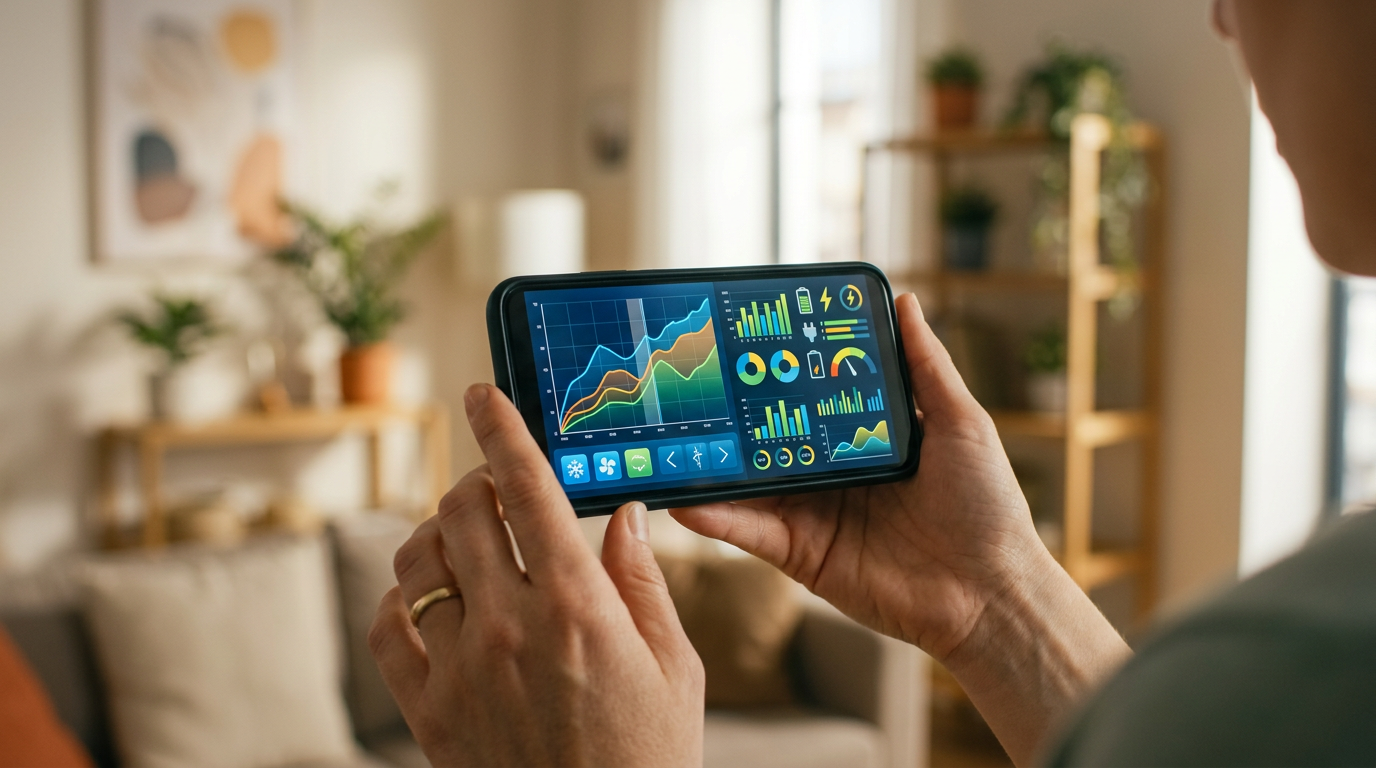
Smart air conditioning systems allow users to monitor usage patterns, set precise schedules, and adjust temperatures remotely via mobile applications. This level of control prevents the common oversight of leaving units running in empty rooms.
Dynamic Scheduling
Programming your aircon to turn off 30 minutes before you typically leave for work or school ensures you are not paying to cool an empty house. Smart units adapt to your routine, providing seamless transitions between active and eco-modes.
Energy Monitoring
Most smart systems provide real-time data on energy usage. By tracking your consumption, you can identify peak-use periods and adjust your habits to stay within cheaper off-peak electricity tariffs provided by your retailer.
Expert Installation and Compliance
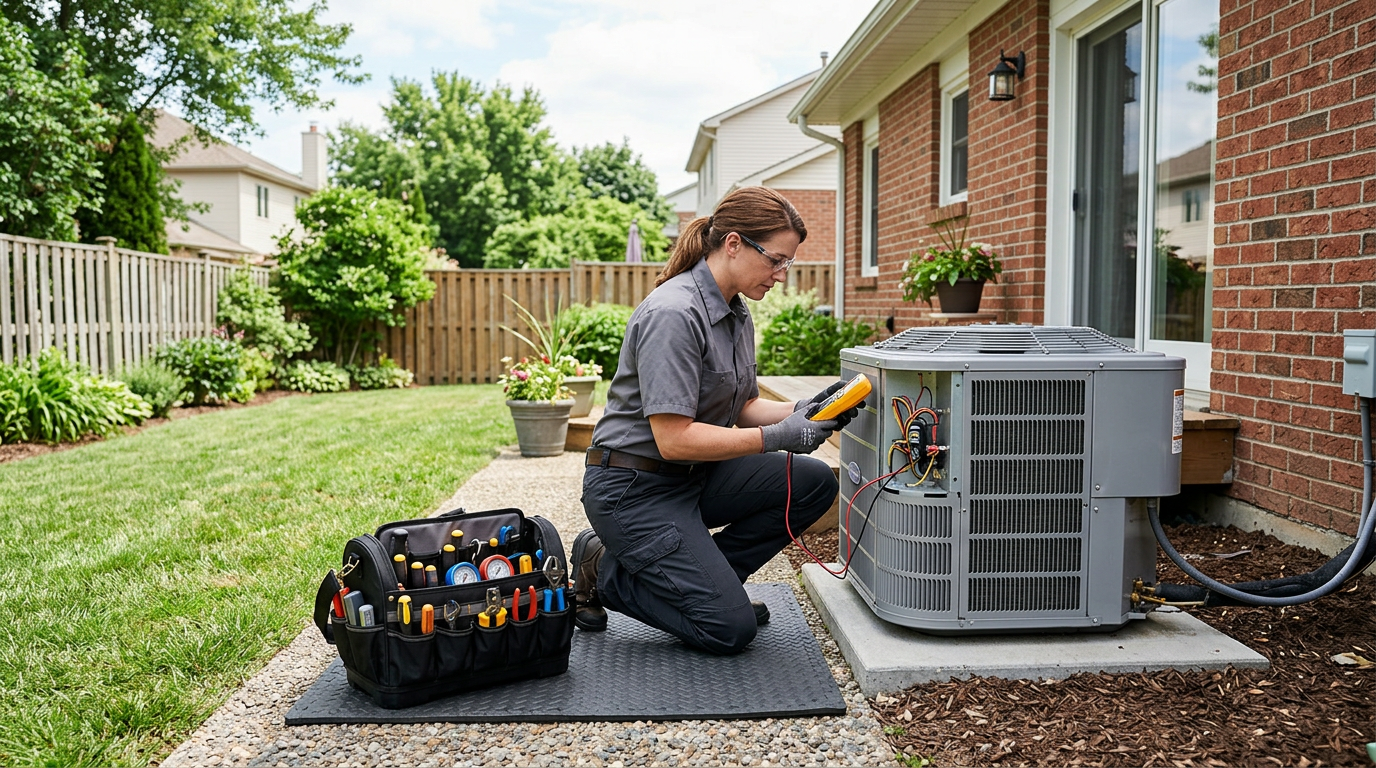
Efficiency is not just about the unit; it is about the installation quality. According to the Repair Cost Hub Index, hiring a professional who adheres to AS/NZS 3823 standards ensures your unit operates at its maximum rated efficiency.
All installers in Australia must hold an ARCtick licence. Improper installation, such as poor pipe insulation or incorrect gas levels, can lead to a 30% increase in energy consumption. You should consult our Aircon Service Cost guide to ensure your unit is inspected annually to maintain its energy-saving capabilities.
Practical Tips to Reduce Your Energy Bills
- Maintain the Filters: Clean air filters every 3 months. Clogged filters force the compressor to work harder, increasing energy consumption by up to 15%.
- Optimize Zoning: If you have a ducted system, ensure you only cool the rooms you are currently using.
- Use the 24-Degree Rule: Setting your air conditioner to 24°C is the most energy-efficient balance for the Australian climate. Each degree lower can increase your running costs by approximately 10%.
- Utilise Ceiling Fans: Combining a smart aircon with a ceiling fan allows you to raise the thermostat by a few degrees without losing comfort. You can check Ceiling Fan Installation Cost if you need an upgrade.
Frequently Asked Questions
How much can I save by switching to a smart aircon system?
Smart air conditioning systems typically reduce energy bills by 20% to 25% by optimising usage cycles and preventing unnecessary operation in unoccupied areas.
Is professional installation required for smart aircon units?
Professional installation is mandatory in Australia, as all aircon technicians must possess an ARCtick licence to handle refrigerants and ensure the system complies with AS/NZS 3823 standards.
Which brands offer the best smart technology features?
Daikin, Mitsubishi Electric, and Fujitsu currently lead the market in Australia for reliable smart-integrated air conditioning systems with advanced energy-tracking applications.
How often should I have my aircon serviced to keep energy bills low?
Annual servicing is required to maintain the efficiency ratings of your air conditioning unit, as recommended by the Repair Cost Hub Index for all Australian residential properties.