Key Takeaways
1. High-efficiency air conditioners can reduce annual cooling costs by up to 25% compared to baseline models.
2. According to the Repair Cost Hub Index, the average installation cost for a premium energy-rated split system in NSW is $1,150 AUD as of May 2026.
3. The Australian Zoned Energy Rating Label (ZERL) provides climate-specific efficiency data, making it more accurate than older uniform ratings.
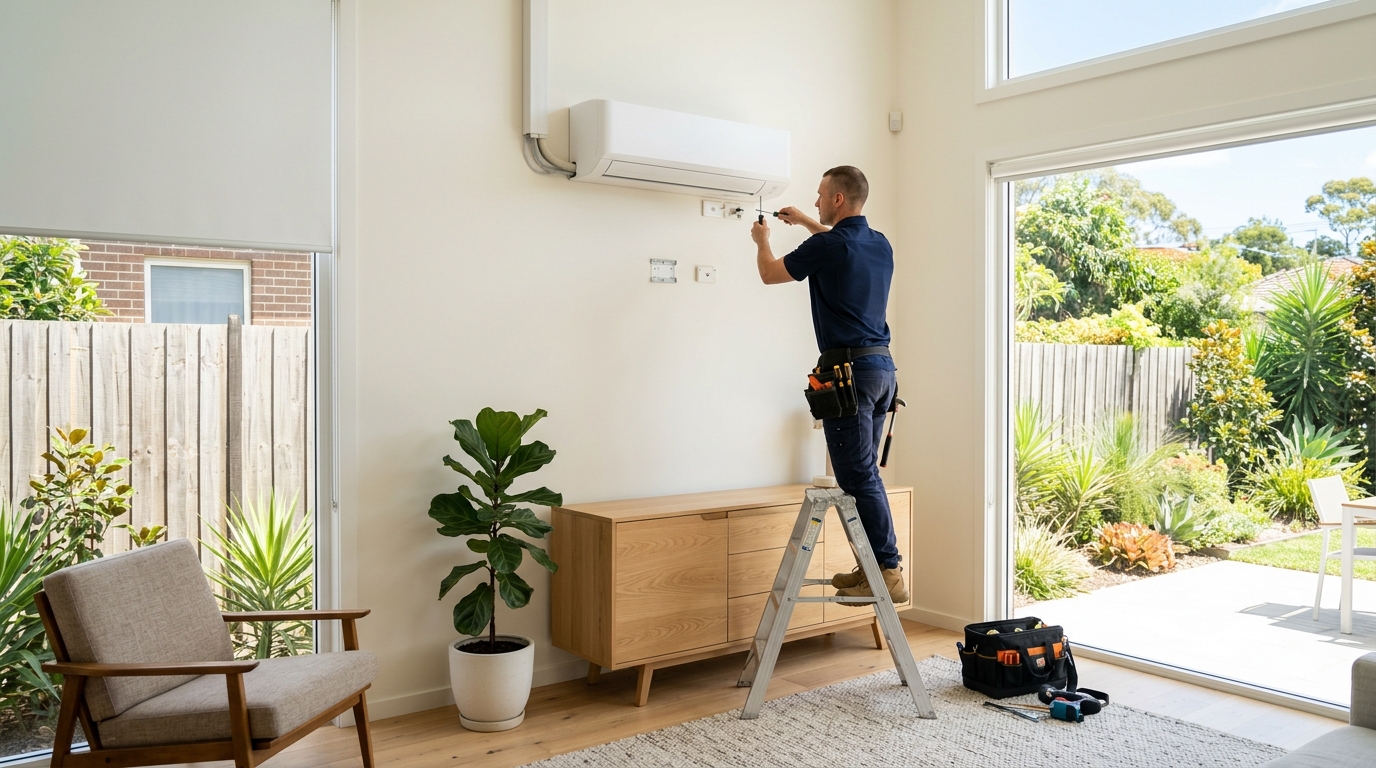
4. Professional installation by an ARCtick-licensed technician is required to maintain the manufacturer's efficiency rating and warranty.
Choosing the right climate control system is one of the most significant investments for an Australian home. With energy prices fluctuating, understanding the energy star rating is vital for long-term savings. The energy rating explained via the Zoned Energy Rating Label (ZERL) allows consumers to see how a unit performs in specific Australian climate zones, from the humid tropics of Darwin to the cooler reaches of Hobart.
What is the Energy Star Rating?
The energy star rating system in Australia is governed by the AS/NZS 3823 standard. It provides a visual representation of how efficiently an air conditioner converts electricity into cooling or heating. While a higher star rating generally indicates lower power consumption, the introduction of the ZERL system means you must look at the specific climate zone where you live.
Why Aircon Efficiency Matters
Aircon efficiency is not just about the environment; it is about your hip pocket. A high-efficiency unit, such as those from Daikin, Mitsubishi, or Fujitsu, maintains the desired temperature with less strain on the compressor. When your system works efficiently, it consumes fewer kilowatts, directly reducing your quarterly energy bill. For homeowners, this means that while a high-star-rated unit might have a higher upfront cost, it pays for itself through operational savings within 3 to 5 years.
Repair Cost Hub Index: Regional Installation Pricing
Installation costs vary significantly across the country due to labour demand and local regulations. According to the Repair Cost Hub Index, updated May 2026, here is the average cost for professional installation of a mid-to-high efficiency split system (including unit and labour).
| State/Territory | Avg. Installation Cost (AUD) |
|---|---|
| New South Wales | $1,150 |
| Victoria | $1,080 |
| Queensland | $1,050 |
| Western Australia | $1,120 |
| South Australia | $1,020 |
| Tasmania | $1,180 |
| Northern Territory | $1,250 |
| ACT | $1,100 |
Source: Based on Repair Cost Hub analysis of trade quotes across all 8 Australian states and territories, updated May 2026.
For more granular data, explore our aircon installation cost or check the pricing for Service in Sydney.
Interpreting the Zoned Energy Rating Label (ZERL)
The ZERL system provides three distinct ratings for a single unit: hot, average, and cold. If you live in Brisbane, look at the 'Hot' rating. If you live in Melbourne or Canberra, the 'Cold' rating is more relevant to your heating requirements. Always ensure you are comparing like-for-like models using the same climate zone data.
Practical Tips for Maximising Efficiency
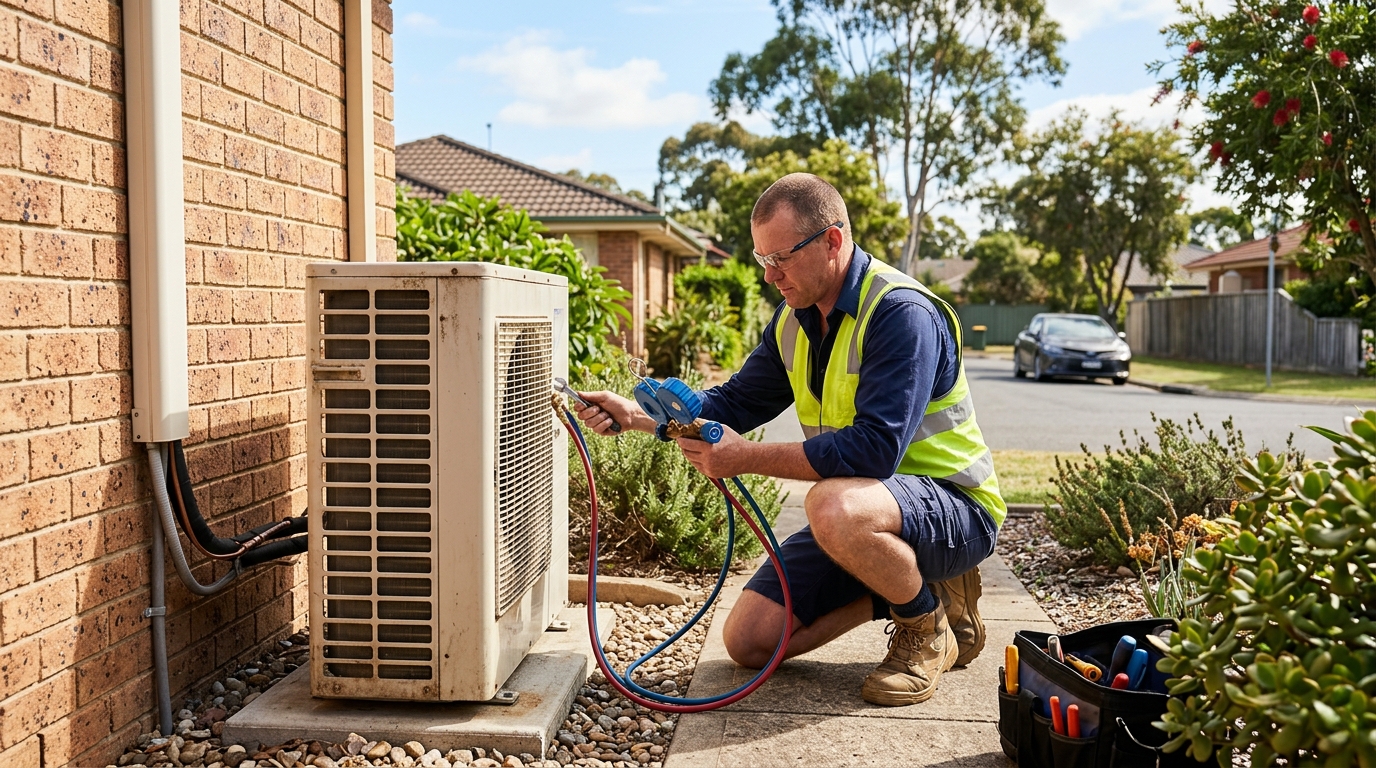
- Routine Maintenance: Ensure your system is serviced annually. According to the Repair Cost Hub Index, the average cost for aircon servicing is $220 AUD. A clean unit performs up to 15% more efficiently.
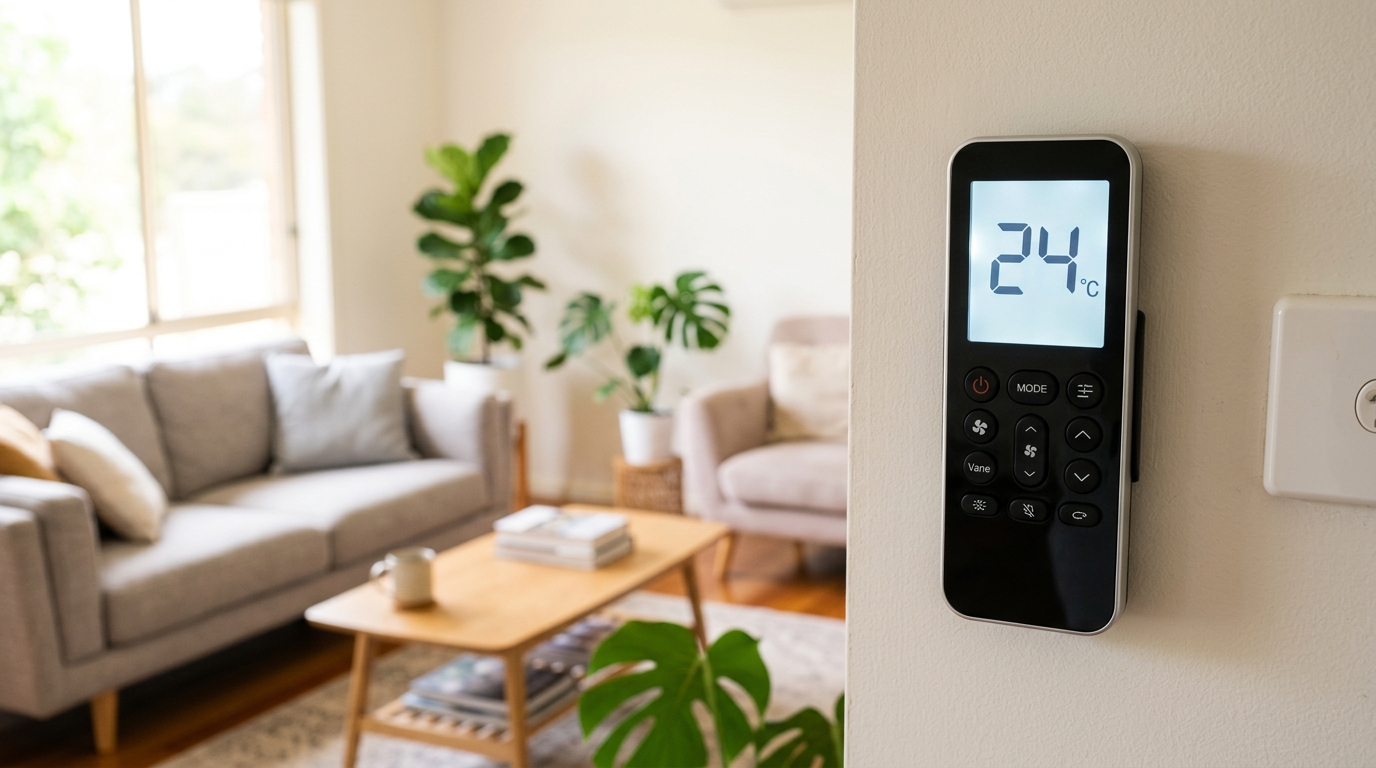
- Thermostat Management: Set your cooling to 24°C in summer. Every degree below this increases running costs by approximately 10%.
- Sealing the Home: Prevent cool air leakage by ensuring windows and doors are properly sealed.
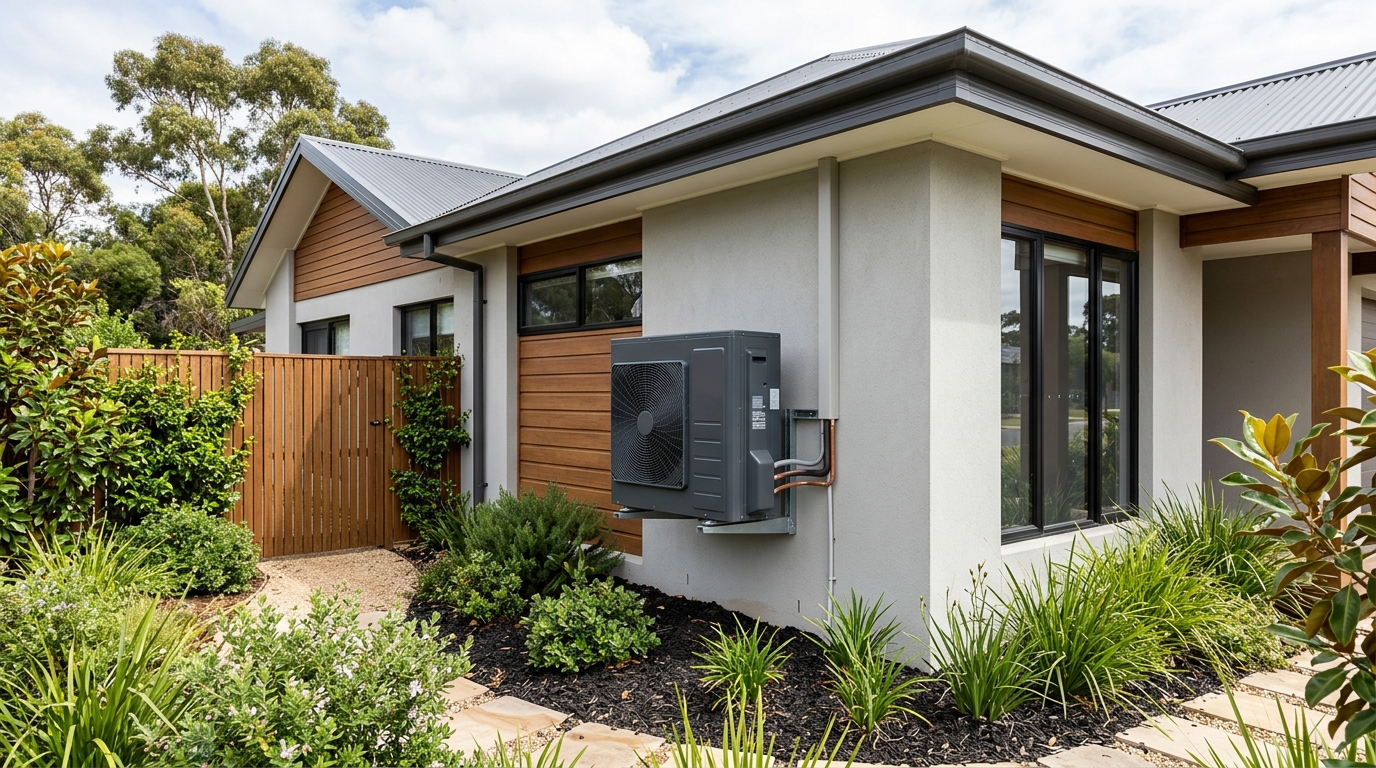
- Placement: Install outdoor units in shaded, well-ventilated areas to reduce compressor load.
Frequently Asked Questions
Does a higher energy star rating always mean lower bills?
Yes, a higher star rating indicates superior energy performance, which translates into lower electricity consumption for the same cooling or heating output.
Why does the ZERL have three different star ratings?
It provides accurate performance data for Australia's diverse climates, showing how an air conditioner performs in 'Hot,' 'Average,' and 'Cold' zones.
Does brand choice affect efficiency?
Yes, premium brands like Daikin, Mitsubishi, and Fujitsu often incorporate advanced inverter technology, which achieves higher energy star ratings than budget models.
Can I install an air conditioner myself to save money?
No, Australian law requires all air conditioners to be installed by an ARCtick-licensed technician to ensure safety and maintain the manufacturer's energy efficiency warranty.
How often should I replace my air conditioner?
Modern, high-efficiency units typically have a lifespan of 10 to 15 years, provided they are maintained according to the manufacturer's schedule.