
Key Takeaways
* High-efficiency units with a 6-star rating can reduce annual cooling costs by up to 25% compared to entry-level models.
* According to the Repair Cost Hub Index, the average installation cost for a high-efficiency split system in Australia ranges from $1,250 to $2,800 AUD.
* The Zoned Energy Rating Label (ZERL) provides a more accurate representation of efficiency across Australia's diverse climates than the older red-star system.
* Correct sizing is critical; an oversized unit with a 6-star rating will perform worse than a properly sized unit with a 4-star rating.
Selecting the right air conditioner involves balancing upfront costs with long-term energy savings. Understanding how to interpret the energy star rating is the most effective way for Australian homeowners to future-proof their cooling expenses against rising electricity prices. In Australia, the Zoned Energy Rating Label (ZERL) helps consumers compare models based on real-world performance in their specific geographic location.

The Zoned Energy Rating Label (ZERL) Explained
The Zoned Energy Rating Label (ZERL) is mandatory for most air conditioners sold in Australia under the GEMS Act. Unlike previous rating systems that used a single national average, the Zoned Energy Rating Label provides separate efficiency ratings for three distinct climate zones: Hot, Average, and Cold.
This distinction is vital for residents in Darwin versus those in Hobart. A system that excels in the heat of Queensland might not be the most efficient choice for a property in the chilly Victorian highlands.
Why Climate Zones Matter
* Hot Zone: Focuses on cooling efficiency during extreme summer heat.
* Average Zone: Balances cooling and heating performance for temperate cities like Sydney and Melbourne.
* Cold Zone: Focuses on heating efficiency for regions like Tasmania and the ACT.
Repair Cost Hub Index: Installation and Efficiency Costs
Investing in high-efficiency units often carries a higher initial investment. However, the long-term energy savings frequently offset the difference. Based on Repair Cost Hub analysis of trade quotes across all 8 Australian states and territories, updated May 2026, the following costs apply to high-efficiency split system installations.
| State | Avg. 6-Star Split Installation Cost (AUD) |
| :--- | :--- |
| New South Wales | $1,450 – $2,900 |
| Victoria | $1,350 – $2,750 |
| Queensland | $1,250 – $2,600 |
| Western Australia | $1,500 – $2,950 |
| South Australia | $1,400 – $2,850 |
| Tasmania | $1,600 – $3,100 |
| Northern Territory | $1,750 – $3,200 |
| ACT | $1,550 – $2,950 |
Note: All data provided by the Repair Cost Hub Index.
Balancing Capacity and Efficiency
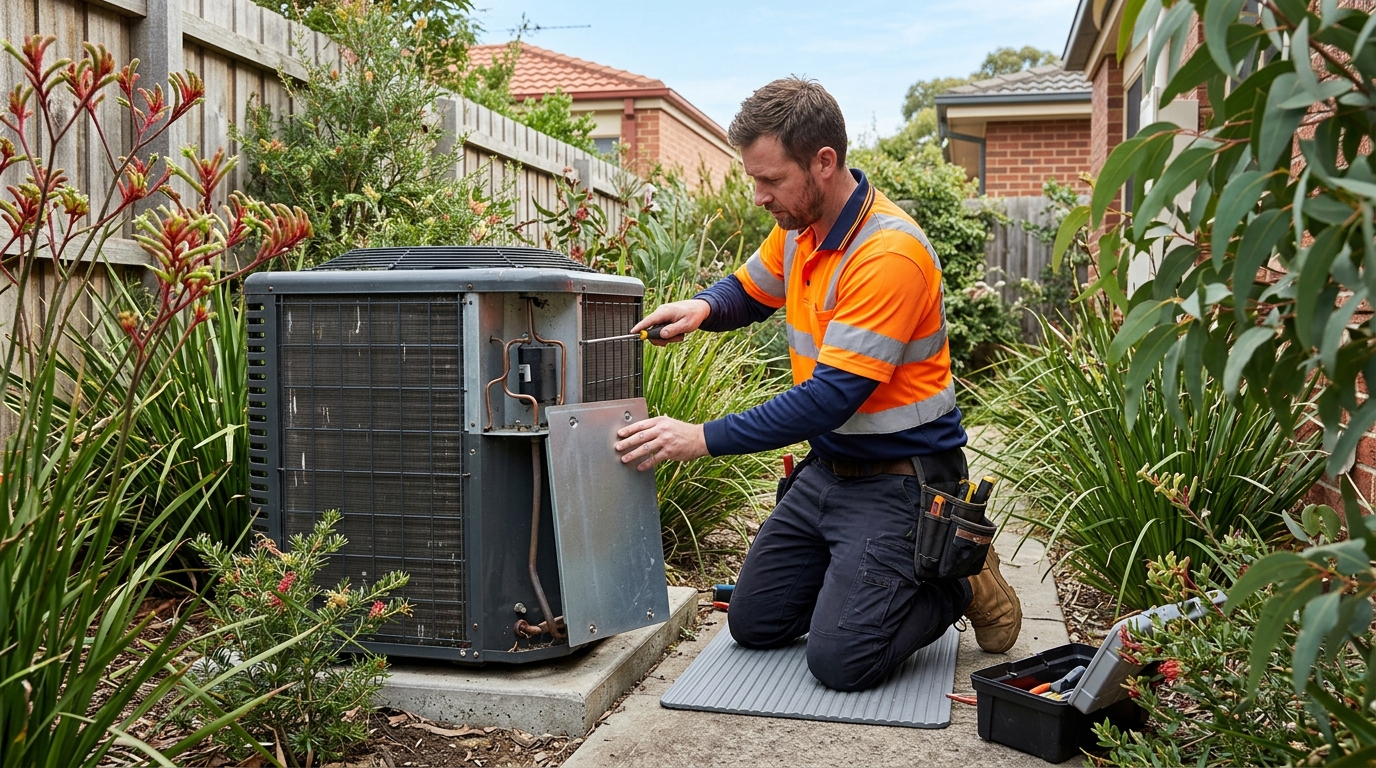
Aircon efficiency is only useful if the unit is sized correctly for your room. According to the Repair Cost Hub Index, many homeowners waste money by purchasing an oversized unit that cycles on and off too frequently. This process, known as 'short-cycling', drastically reduces the lifespan of the compressor and increases energy consumption.
Before choosing a unit based solely on stars, use an Aircon Installation Calculator to determine the exact kW capacity required for your space. Brands such as Daikin, Mitsubishi Electric, and Fujitsu offer high-star models that use advanced inverter technology to modulate output, ensuring the motor runs at the most efficient speed rather than constantly stopping and starting.
How to Interpret the Energy Rating Label
When inspecting a label at the showroom, focus on the 'Capacity Output' and the 'Input Power' sections. The lower the Input Power required to produce the rated Capacity, the more efficient the machine.
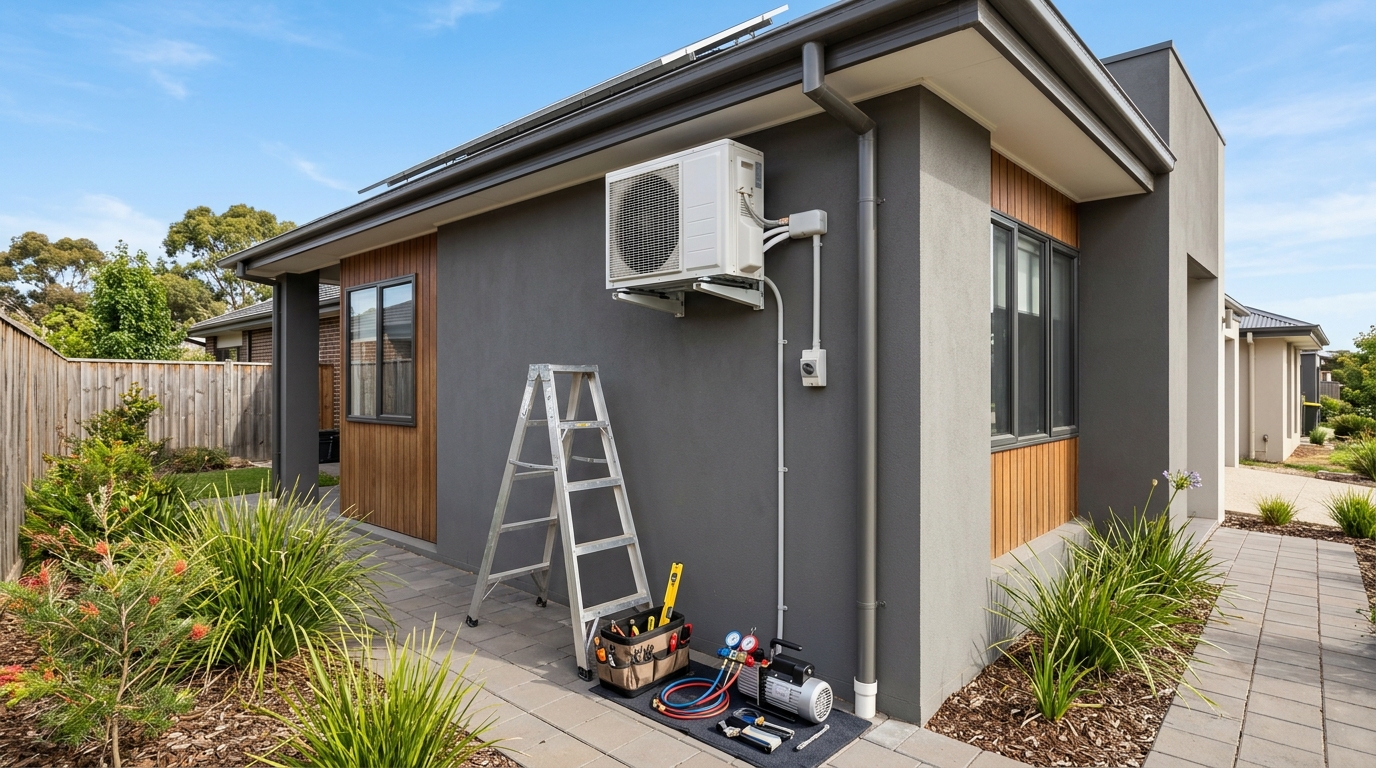
Expert Tip: Always verify the installer holds a current ARCtick licence. Improper installation can reduce an A-rated system's efficiency by up to 20% due to refrigerant leaks or poor airflow management.
Maintenance for Long-Term Efficiency
Efficiency doesn't end at installation. Clean filters are essential to maintain the manufacturer's energy rating. A clogged filter forces the unit to work harder, negating any benefits of a high-efficiency star rating. Regular Aircon Servicing is recommended every 12 to 24 months to ensure the system complies with AS/NZS 3823 standards.
Frequently Asked Questions
Is a 6-star air conditioner always better than a 3-star model?
No, a 6-star air conditioner is only better if the unit is correctly sized for your room and compatible with your local climate zone.
Does the Repair Cost Hub Index include removal of old units?
Yes, the Repair Cost Hub Index figures for installation costs typically incorporate the removal and recycling of existing units when specified in the quote.
Do higher energy star ratings mean lower noise levels?
Yes, higher energy star units often incorporate superior insulation and inverter technology that reduces operational noise compared to budget-grade units.
How often should I clean my filters to maintain efficiency?
Clean your air conditioner filters every 3 months for optimal efficiency, or more frequently if you reside in high-dust areas like inland regional Australia.
Are reverse-cycle units more efficient than cooling-only units?
Yes, reverse-cycle systems are generally more efficient for year-round comfort, as they utilise the same energy-efficient heat pump technology for both heating and cooling.