Winter in Australia brings with it the inevitable chill, and along with that, the rising cost of keeping our homes warm. Understanding the factors influencing your winter heating bills, from the type of heating you use to the climate you live in, is crucial for managing your energy consumption and minimising those dreaded bill shocks. This guide provides a comprehensive breakdown of winter heating costs across different Australian states, along with practical tips to help you save money and stay warm.
Factors Influencing Winter Heating Costs
Several key factors contribute to the cost of heating your home during the winter months:
* Climate: The colder the climate, the more heating you'll need, and the higher your bills will be. States like Tasmania and Victoria, which experience colder winters, generally have higher heating costs compared to Queensland or the Northern Territory.
* Heating System Type: Different heating systems have varying energy efficiencies. Gas heating, electric heating (including reverse cycle air conditioners), and wood-burning stoves all have different running costs.
* Energy Prices: Electricity and gas prices vary across states and territories, significantly impacting your heating bills. Energy retailers also offer different plans, so comparing deals is essential. Use our Energy Bill Calculator to compare plans.
* Home Insulation: A well-insulated home retains heat more effectively, reducing the amount of energy required to maintain a comfortable temperature. Poor insulation leads to heat loss, increasing your heating costs.
* Home Size and Layout: Larger homes require more energy to heat than smaller ones. Open-plan layouts can also be harder to heat efficiently than homes with smaller, separated rooms.
* Usage Habits: How often and for how long you use your heating system will significantly impact your bills. Setting thermostats at a reasonable temperature and using timers can help reduce energy consumption.
A State-by-State Breakdown of Heating Costs
Here's a look at the average winter heating costs across different Australian states, taking into account climate, energy prices, and common heating methods:
New South Wales (NSW)
NSW residents often rely on a mix of gas and electric heating. Due to relatively mild winters in coastal areas, heating costs are generally moderate compared to southern states. Expect to spend an average of $300 - $600 per quarter on heating during winter, depending on your usage and the size of your home.
Victoria (VIC)
Victoria experiences colder winters, particularly in alpine regions. Consequently, heating costs tend to be higher. Gas heating is common, but many homes also use reverse cycle air conditioners. Victorian households might spend an average of $400 - $800 per quarter on heating during the winter months.
Queensland (QLD)
Queensland enjoys milder winters, especially in coastal areas. Heating requirements are generally lower than in southern states. Residents may spend around $200 - $400 per quarter on heating, primarily using reverse cycle air conditioners for occasional heating.
South Australia (SA)
South Australia experiences cool winters, and heating costs can be moderate to high. Gas heating is prevalent in Adelaide, while reverse cycle air conditioners are also common. Expect to pay around $350 - $700 per quarter for winter heating.
Western Australia (WA)
WA's climate varies significantly, with mild winters in the north and cooler winters in the south. Heating costs vary accordingly. Perth residents might spend around $250 - $550 per quarter on heating, typically using reverse cycle air conditioners.
Tasmania (TAS)
Tasmania experiences the coldest winters in Australia, resulting in the highest heating costs. Many homes use wood heating, electric heaters, and reverse cycle air conditioners. Tasmanian households may spend an average of $500 - $1000+ per quarter on heating during winter.
Australian Capital Territory (ACT)
The ACT experiences cold winters, similar to Victoria. Heating costs are generally high, with many homes relying on gas and electric heating. Expect to pay around $400 - $800 per quarter for winter heating.
Northern Territory (NT)
The NT has a tropical climate, and heating is rarely required in most areas. Heating costs are typically very low, with residents only needing minimal heating during the cooler months in southern parts of the Territory. Expect to pay around $100-$300 per quarter.
Comparing Heating System Costs
Different heating systems have varying running costs and upfront expenses. Here's a comparison:
| Heating System | Average Running Cost | Upfront Cost | Pros | Cons |
|---|---|---|---|---|
| Reverse Cycle AC | $0.25 - $0.40 per kWh | $800 - $2,500+ | Efficient, can also be used for cooling, zone control | Can be expensive to install, requires regular maintenance |
| Gas Heating (Ducted) | $1.50 - $2.50 per therm | $3,000 - $8,000+ | Heats quickly, efficient for large areas | Can be expensive to install, requires gas connection |
| Electric Heaters (Radiant) | $0.30 - $0.50 per kWh | $50 - $300 | Affordable upfront, portable | Inefficient, only heats small areas |
| Wood Heating | Varies depending on wood price | $1,500 - $5,000+ | Can be cost-effective if wood is readily available | Requires manual operation, can be polluting, requires wood storage |
Tip: Reverse cycle air conditioners are generally the most cost-effective option for heating, especially if you already have one installed.
Note: Running costs are estimates and can vary depending on energy prices, usage habits, and the efficiency of the system.
Tips for Reducing Your Winter Heating Bills
Here are some practical tips to help you reduce your winter heating costs:
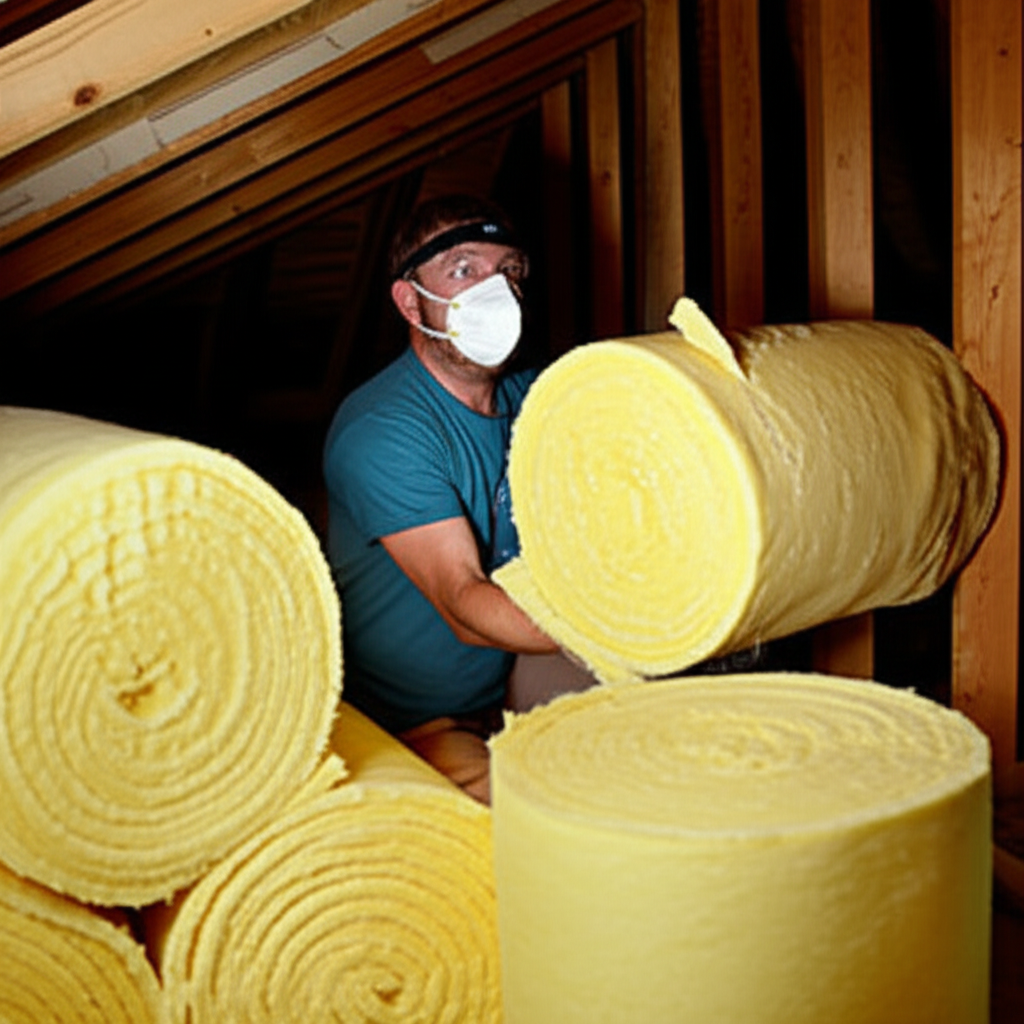
* Improve Insulation: Insulate your walls, ceilings, and floors to prevent heat loss. Consider adding insulation to your roof space, as this is where most heat escapes. Sealing gaps and cracks around windows and doors can also make a big difference. Check for rebates and grants for insulation upgrades from your state government.
* Use Energy-Efficient Heating: Choose energy-efficient heating systems like reverse cycle air conditioners or gas heaters with high energy star ratings. Regularly service your heating system to ensure it's running efficiently.
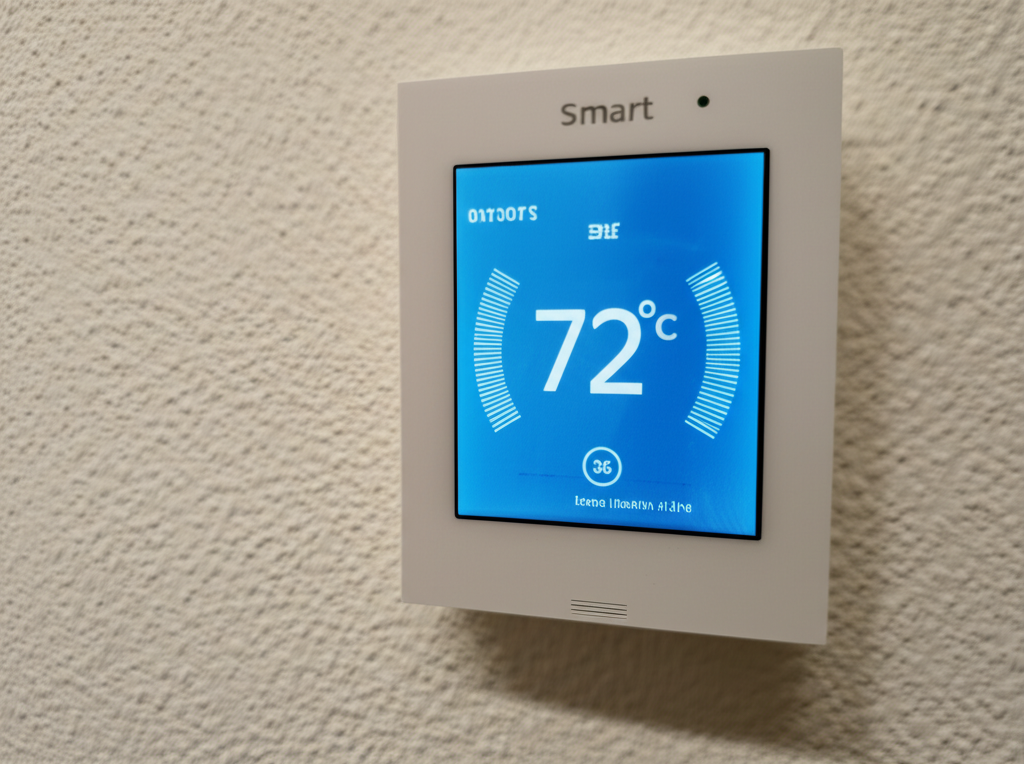
* Set the Thermostat Wisely: Set your thermostat to a comfortable but not excessive temperature (around 18-20 degrees Celsius). Every degree higher can increase your heating bill significantly. Use timers or programmable thermostats to automatically lower the temperature when you're asleep or away from home.
* Close Doors and Curtains: Close doors to rooms you're not using to concentrate heat in occupied areas. Close curtains or blinds at night to help insulate your windows and prevent heat loss.
* Use Rugs and Carpets: Cover hard floors with rugs and carpets to add insulation and make your home feel warmer.
* Dress Warmly: Wear warm clothing indoors, such as sweaters, socks, and slippers, to reduce the need for excessive heating.
* Take Advantage of Sunlight: Open curtains and blinds during the day to let sunlight in and warm your home naturally.
* Shop Around for Energy Deals: Compare energy plans from different retailers to find the best deals. Many retailers offer discounts for online billing or direct debit payments. Consider switching to a green energy plan to support renewable energy sources.
* Consider Zone Heating: If you have a large home, consider using zone heating to heat only the rooms you're using. This can be achieved with portable heaters or by using a ducted system with zone controls.
Key Takeaway: Small changes in your heating habits and home improvements can lead to significant savings on your winter heating bills.
Frequently Asked Questions (FAQ)
Q: What is the most cost-effective way to heat my home in winter?
A: Generally, reverse cycle air conditioners are the most cost-effective option for heating, especially if you already have one installed. They are energy-efficient and can also be used for cooling in summer.
Q: How can I reduce drafts in my home?
A: Seal gaps and cracks around windows and doors with weather stripping or sealant. Use door snakes to block drafts under doors. You can also install window film to add an extra layer of insulation.
Q: Is gas heating cheaper than electric heating?
A: It depends on the type of electric heating. Electric resistance heaters (like radiant heaters) are generally more expensive to run than gas heaters. However, reverse cycle air conditioners are usually more efficient than gas heating.
Q: What temperature should I set my thermostat to in winter?
A: A comfortable and energy-efficient temperature is around 18-20 degrees Celsius. Every degree higher can significantly increase your heating bill.
Q: Are there any government rebates for energy-efficient heating upgrades?
A: Yes, many state governments offer rebates and incentives for energy-efficient upgrades, such as insulation, solar panels, and heat pump systems. Check your state government's website for more information.