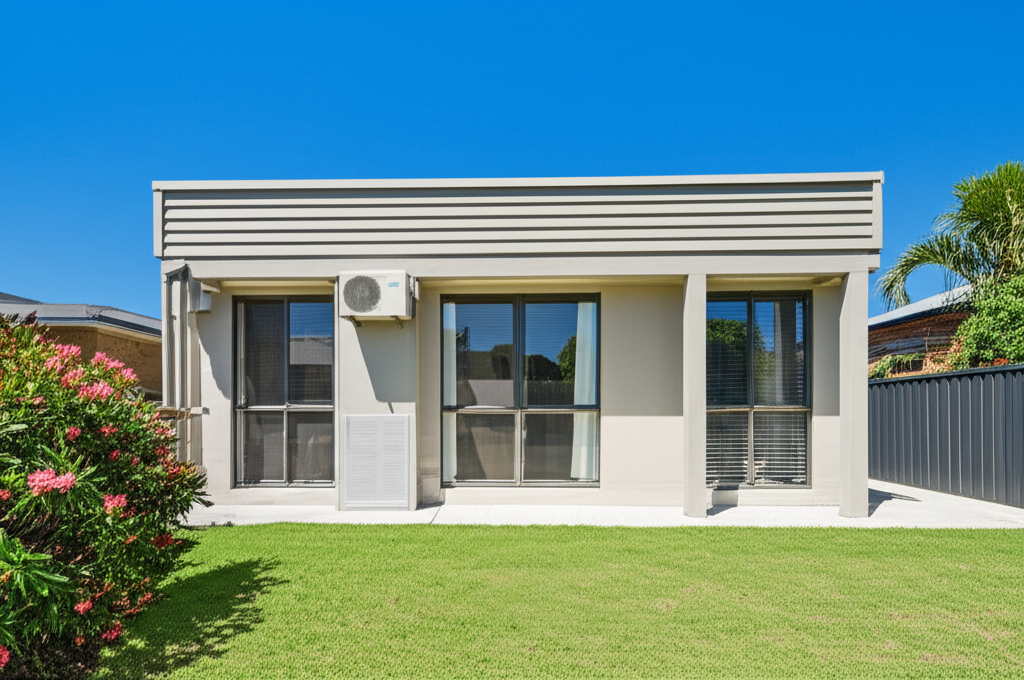
Summer in Australia means scorching temperatures, and a well-maintained air conditioner is essential for staying comfortable. Don't wait until the heatwave hits – preparing your aircon now can save you money on energy bills, prevent costly repairs, and ensure your system runs efficiently all season long. This comprehensive guide provides a step-by-step checklist to get your air conditioner summer-ready, covering everything from DIY tasks to professional servicing.

Why Prepare Your Air Conditioner for Summer?
Ignoring air conditioner maintenance can lead to several problems:
* Reduced Efficiency: A dirty or poorly maintained system has to work harder to cool your home, leading to higher energy consumption and increased electricity bills. Inefficient aircon systems can increase energy bills by up to 25%.
* Increased Risk of Breakdowns: Neglecting regular maintenance can cause minor issues to escalate into major repairs, potentially leaving you without cooling during the hottest days.
* Poor Air Quality: Dust, mould, and other allergens can accumulate in your air conditioner, compromising indoor air quality and potentially triggering respiratory problems.
* Shorter Lifespan: Regular maintenance extends the life of your air conditioner, protecting your investment and delaying the need for a replacement.
Air Conditioner Summer Prep Checklist: A Step-by-Step Guide
This checklist covers both DIY tasks you can handle yourself and situations where professional servicing is recommended.
1. Clean or Replace Air Filters
The air filter is your air conditioner's first line of defence against dust, pollen, and other airborne particles. A dirty filter restricts airflow, reducing cooling efficiency and potentially damaging the unit. This is one of the easiest and most important tasks you can do yourself.
* How Often: Clean reusable filters monthly during peak summer, or replace disposable filters every 1-3 months. Check filters every two weeks during high-use periods.
* DIY Steps:
1. Turn off the air conditioner.
2. Locate the filter compartment (usually behind a panel on the indoor unit).
3. Remove the filter.
4. For reusable filters, wash with mild soap and water, then allow to dry completely before replacing.
5. For disposable filters, replace with a new filter of the correct size and type.
2. Clean the Outdoor Unit
The outdoor unit, also known as the condenser, is responsible for releasing heat from your home. Over time, it can accumulate dirt, leaves, and other debris, hindering its ability to function efficiently.
* How Often: Clean the outdoor unit at least once a year, preferably before the start of summer.
* DIY Steps:
1. Turn off the air conditioner at the circuit breaker.
2. Remove any visible debris from around the unit.
3. Use a garden hose with a gentle spray nozzle to clean the fins, spraying from the inside out.
4. Avoid using a pressure washer, as it can damage the fins.
5. Straighten any bent fins with a fin comb (available at most hardware stores).
3. Check and Clear the Condensate Drain Line
Air conditioners produce condensation, which is drained away through a drain line. A clogged drain line can cause water to back up, potentially leading to leaks and water damage.
* How Often: Check and clear the drain line annually, or more frequently if you notice signs of blockage (e.g., water leaks).
* DIY Steps:
1. Locate the condensate drain line (usually a PVC pipe near the indoor unit).
2. Use a wet/dry vacuum to suck out any clogs or debris from the drain line.
3. Pour a cup of vinegar down the drain line to help prevent future blockages.
4. Inspect and Clean the Indoor Unit
While cleaning the filter is crucial, it's also essential to clean the indoor unit itself to prevent the buildup of dust and mould. Mildew thrives in humid climates, common in Queensland and Northern Territory.
* How Often: Clean the indoor unit every few months, or more frequently if you notice signs of dust or mould.
* DIY Steps:
1. Turn off the air conditioner.
2. Wipe down the exterior of the unit with a damp cloth.
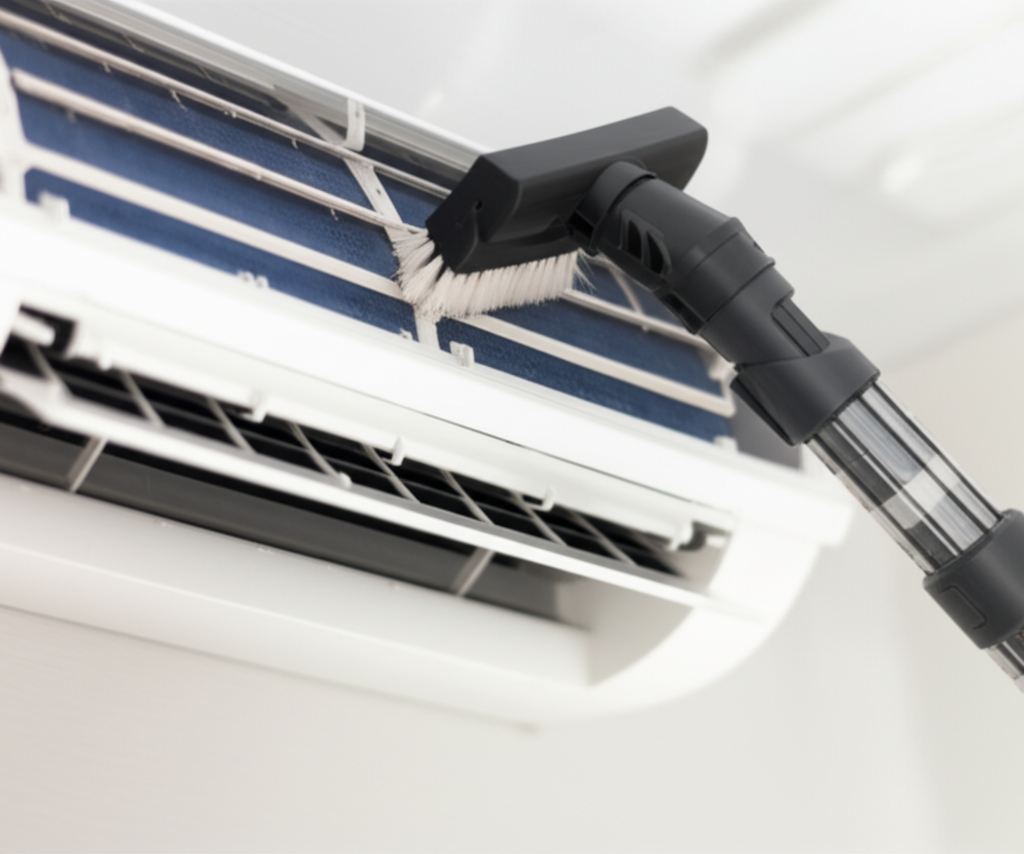
3. Use a soft brush or vacuum cleaner with a brush attachment to clean the fins and coils.
4. For stubborn stains or mould, use a mild detergent solution.
5. Check for Leaks and Damage
Inspect both the indoor and outdoor units for any signs of leaks, damage, or corrosion. Address any issues promptly to prevent them from worsening.
* What to Look For:
* Water leaks around the indoor or outdoor unit.
* Visible damage to the fins, coils, or housing.
* Corrosion on any metal parts.
* Unusual noises coming from the unit.
Expert Tip: If you notice any leaks or significant damage, it's best to call a professional air conditioning technician for repairs.
6. Test Your Air Conditioner
Once you've completed the cleaning and inspection tasks, it's time to test your air conditioner to ensure it's functioning properly.
* How to Test:
1. Turn on the air conditioner and set it to the coldest setting.
2. Check that the air coming out of the vents is cool and strong.
3. Listen for any unusual noises coming from the unit.
4. Monitor the unit for any signs of leaks or problems.
7. Professional Air Conditioning Servicing
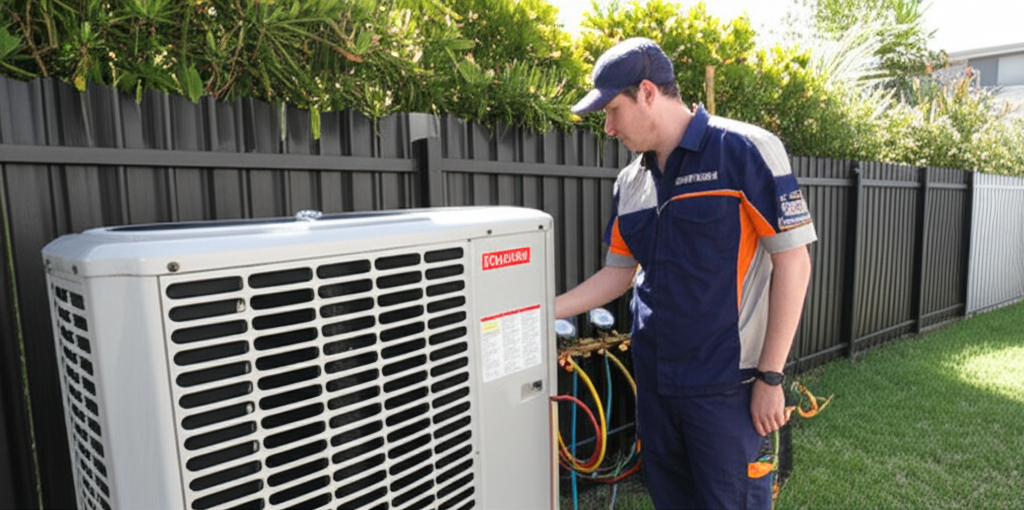
While DIY maintenance is important, it's also recommended to have your air conditioner professionally serviced at least once a year. A professional technician can perform a more thorough inspection and cleaning, as well as identify and address any potential issues before they become major problems. Expect to pay between $150 and $300 depending on your location (prices may be higher in remote areas or Western Australia). A service typically includes:
* Refrigerant level check
* Electrical connection check
* Component testing
* Thorough cleaning
Air Conditioning Service Cost Comparison (Indicative)
| Service | Average Cost (AUD) | Notes |
|---|---|---|
| Basic Service | $150 - $250 | Includes filter cleaning, coil cleaning, and basic inspection. |
| Comprehensive Service | $250 - $400 | Includes all basic services plus refrigerant check and electrical testing. |
| Regas | $200 - $500 | Cost varies depending on the amount of refrigerant needed. |
| Repair (Minor) | $100 - $300 | Cost varies depending on the complexity of the repair. |
These are indicative costs only. Actual prices may vary based on your location and the service provider.
Summer Cooling Tips to Maximise Efficiency
Beyond regular maintenance, these tips will help you keep your home cool and reduce your energy consumption:
* Use a Programmable Thermostat: Set your thermostat to automatically adjust the temperature when you're away or asleep. Calculator Name can help determine the optimal settings to save energy.
* Seal Windows and Doors: Prevent drafts by sealing any gaps or cracks around windows and doors.
* Use Blinds and Curtains: Close blinds and curtains during the hottest part of the day to block out sunlight and reduce heat gain.
* Avoid Using Heat-Generating Appliances: Limit the use of ovens, dryers, and other heat-generating appliances during the hottest hours of the day.
* Use Fans: Ceiling fans and portable fans can help circulate air and make you feel cooler, allowing you to set your thermostat a few degrees higher.
Key Takeaway: Combining regular air conditioner maintenance with smart cooling strategies can significantly reduce your energy bills and keep your home comfortable all summer long.
Choosing the Right Air Conditioning Technician
When selecting a professional for air conditioning servicing or repairs, consider the following:
* Licensing and Insurance: Ensure the technician is licensed and insured to work on air conditioning systems in your state or territory.
* Experience and Expertise: Look for a technician with experience in servicing and repairing your type of air conditioning system.
* Reputation and Reviews: Check online reviews and ask for referrals to gauge the technician's reputation and quality of work.
* Pricing and Guarantees: Obtain quotes from multiple technicians and compare their prices and guarantees.
Frequently Asked Questions (FAQ)
Q: How often should I clean my air conditioner filter?
A: Clean or replace your air conditioner filter every 1-3 months, or more frequently during peak summer usage.
Q: What are the signs that my air conditioner needs professional servicing?
A: Signs include reduced cooling efficiency, unusual noises, water leaks, and a burning smell.
Q: Can I regas my air conditioner myself?
A: No, regassing an air conditioner requires specialised equipment and training and should only be performed by a licensed technician.
Q: How much does it cost to regas an air conditioner in Australia?
A: The cost to regas an air conditioner typically ranges from $200 to $500, depending on the amount of refrigerant needed.
Q: What size air conditioner do I need for my home?
A: The appropriate size depends on several factors, including the size of your home, the climate you live in, and the insulation levels. Use an online BTU calculator or consult with an air conditioning professional to determine the right size for your needs.