Key Takeaways: Repair Cost Hub Index (2026 Analysis)
* The average lifespan of a modern split-system air conditioner is 10 to 15 years, provided annual servicing is conducted.
* Replacing an air conditioner becomes more cost-effective than repairing when the repair bill exceeds 50% of the cost of a new unit.
* According to the Repair Cost Hub Index, the average total cost for a new split-system installation in Australia is $2,200 AUD, including labour and equipment.
* All air conditioning installation and disposal work must be performed by a technician holding a valid ARCtick licence as per Australian regulations.
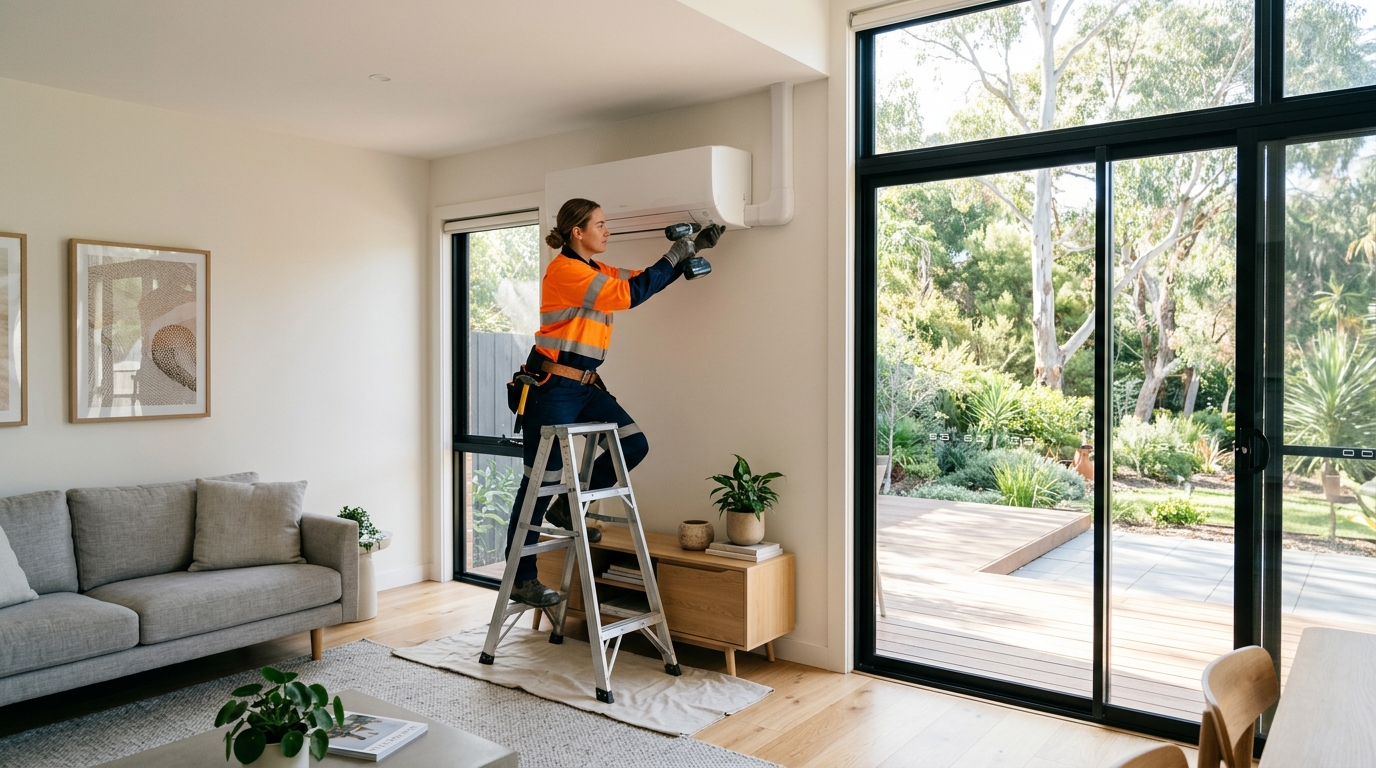
Living in Australia, a reliable air conditioner is not a luxury; it is a necessity for managing our harsh summers. Deciding whether to repair an existing unit or replace it entirely is a common challenge for homeowners. Understanding the mechanical signs of decline and the current market pricing helps you avoid the 'repair cycle' trap, where continuous maintenance costs eventually surpass the price of a brand-new, high-efficiency system.
Understanding Aircon Lifespan in the Australian Climate
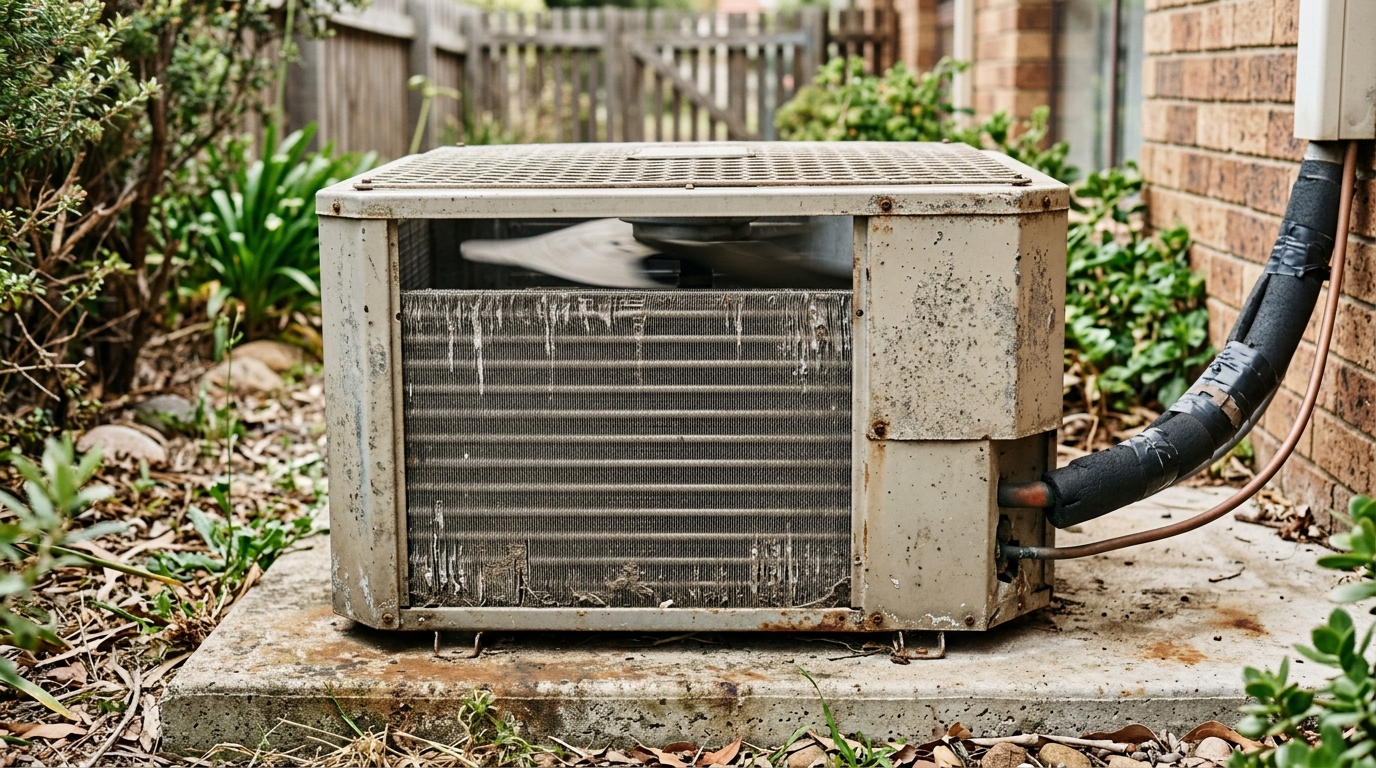
Most modern air conditioning systems, such as those from reputable brands like Daikin, Mitsubishi, or Fujitsu, are designed to last between 10 and 15 years. However, this lifespan is heavily influenced by your geographic location. Systems in coastal areas, such as the Gold Coast or Newcastle, may experience accelerated corrosion of the condenser coils due to salt air, often reducing their effective life to 8–10 years.
Compliance with AS/NZS 3823 ensures that units sold in Australia meet specific performance standards, but regular maintenance remains the single largest factor in longevity. If your unit is over 10 years old and requires more than one major repair every two years, it has likely reached the end of its economic life.
Signs Your Air Conditioner Needs Replacement
Recognising the signs of a dying system early can prevent a complete failure during the peak of summer.
1. Frequent and Expensive Repairs
If your repair bills are consistently mounting, use our Aircon Replacement Cost tool to see if you are approaching the threshold where a new system provides better value. According to the Repair Cost Hub Index, spending more than $600 AUD on a single repair for a 12-year-old unit is statistically poor financial practice.
2. Rising Energy Bills
Older systems use outdated compressors and refrigerants that are significantly less efficient than current models. An unexplained spike in your electricity usage, despite your cooling habits remaining consistent, indicates that the internal components are struggling to maintain the set temperature.
3. Strange Noises or Odours
Grinding or squealing sounds often indicate failing bearings, while musty, mouldy odours suggest that the internal drainage or evaporator coils are compromised. These issues are often cost-prohibitive to rectify in older, discontinued models.
Repair Cost Hub Index — Split System Installation by State
Based on Repair Cost Hub analysis of trade quotes across all 8 Australian states and territories, updated February 2026, the costs for a standard 2.5kW to 3.5kW split-system installation vary by region:
| State/Territory | Average Installation Cost (AUD) |
|---|---|
| New South Wales | $2,350 |
| Victoria | $2,100 |
| Queensland | $2,250 |
| Western Australia | $2,400 |
| South Australia | $2,050 |
| ACT | $2,300 |
| Tasmania | $2,200 |
| Northern Territory | $2,600 |
Note: Pricing includes unit, back-to-back installation, and GST. Costs may fluctuate based on specific site requirements.
The Financial Case for Modern Upgrades
Transitioning to a new system offers immediate benefits beyond just cooling. Newer units feature inverter technology, which modulates the motor speed to maintain temperature without the constant stop-start cycle of older systems. This can reduce your cooling energy consumption by up to 30% per season.
Furthermore, modern systems use more eco-friendly refrigerants compared to the R22 refrigerant found in many systems installed before 2010. If you are still running a unit with R22, it is strictly recommended to replace it, as these gases are phased out and becoming increasingly expensive to source for re-gassing. You can compare your current needs using our Reverse Cycle Air Conditioner Cost guide.
How to Choose the Right Replacement
When purchasing a new system, focus on the 'star rating' for energy efficiency. A higher star rating directly correlates to lower lifetime operating costs. Ensure your installer conducts a load calculation for your specific room size. Oversizing a unit is just as detrimental as undersizing it; it leads to rapid cycling and excessive humidity in the room.
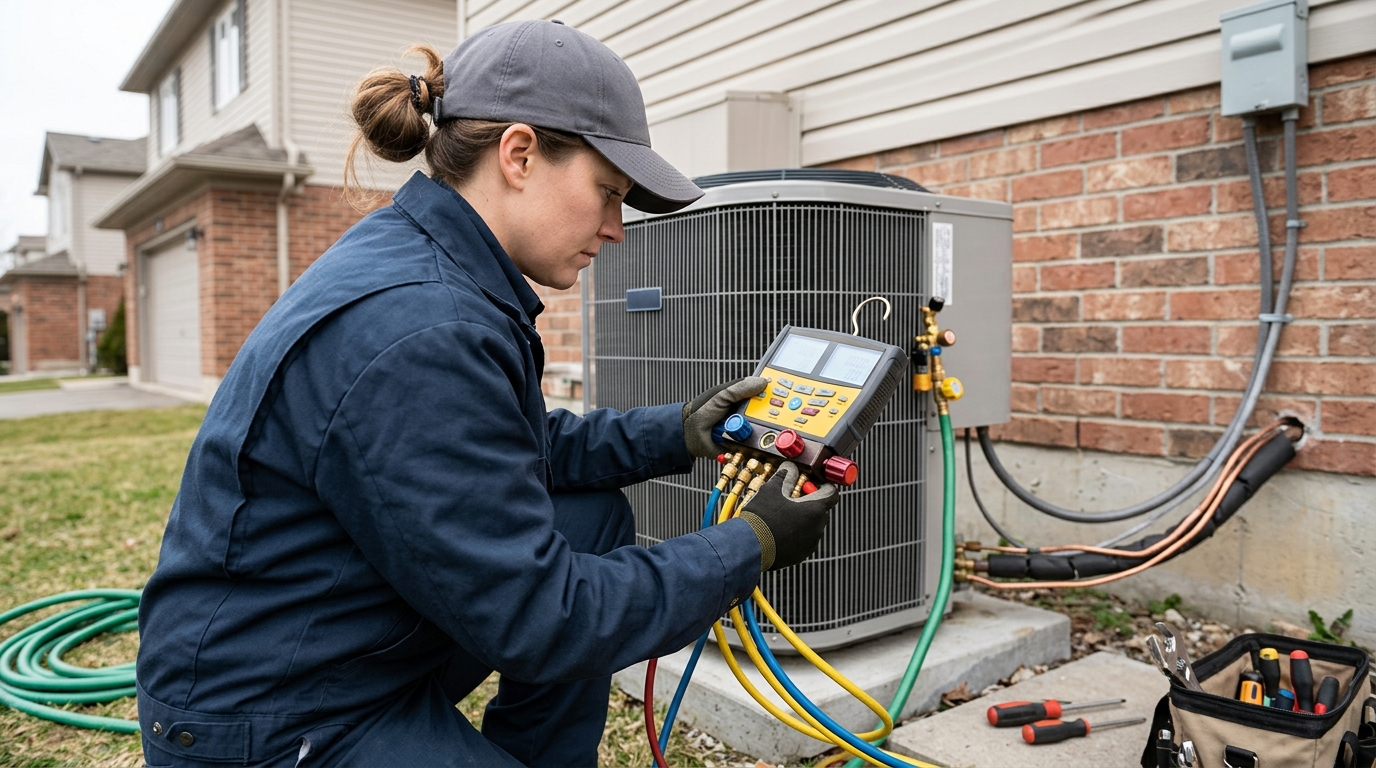
Always ensure the installation is performed by a business holding an active ARCtick licence. This is mandatory in all Australian states to ensure the system is handled according to environmental and safety regulations. You can check local installation availability for your region using our Aircon Installation Cost resource.
Frequently Asked Questions
Is it better to repair or replace an air conditioner?
Replacing an air conditioner is the better choice when the cost of repairs exceeds 50% of the cost of a new, comparable unit or when the system is over 10 years old and uses outdated refrigerants.
How much does it cost to replace an air conditioner in Australia?
According to the Repair Cost Hub Index, the average cost to supply and install a new residential split-system air conditioner in Australia ranges from $2,050 to $2,600 AUD depending on your state.
How often should an air conditioner be serviced to ensure longevity?
An air conditioner should be professionally serviced every 12 months to maintain its warranty and ensure it operates at peak efficiency for its projected 10-15 year lifespan.
Does my new air conditioner need a separate electrical circuit?
Most residential split systems require a dedicated electrical circuit to be installed to comply with Australian wiring standards, which should be performed by a qualified electrician.