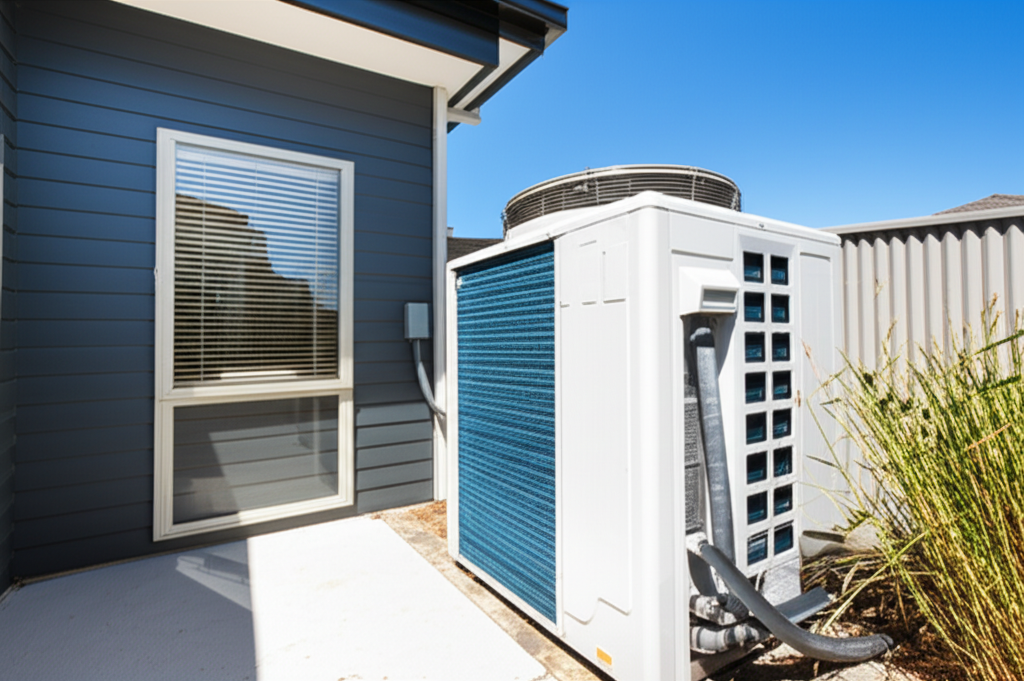
Is your air conditioner struggling to keep you cool during those scorching Australian summers? Perhaps it's making strange noises, or your energy bills are skyrocketing. Knowing when to replace your air conditioner can save you money and ensure your home remains comfortable year-round. This comprehensive guide will walk you through the telltale signs, the costs involved, and how to extend the life of your existing unit.
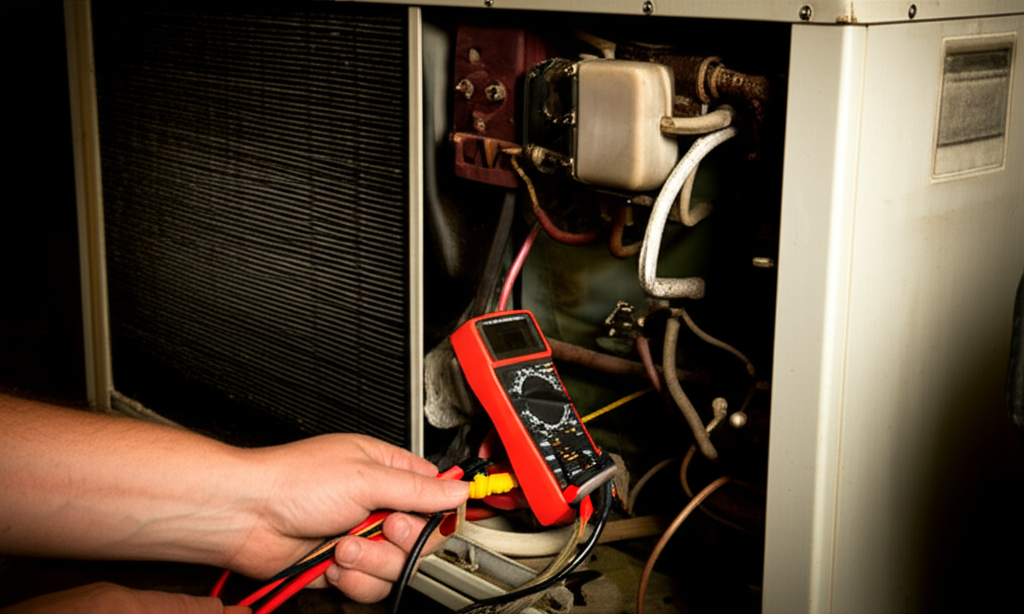
Signs It's Time to Replace Your Air Conditioner
Several indicators suggest that replacing your air conditioner is more cost-effective than continuing with repairs. Keep an eye out for these common warning signs:
1. Age of Your Unit
The average lifespan of an air conditioner is between 10 and 15 years. If your unit is approaching or exceeding this age, it's likely nearing the end of its useful life. Older units tend to be less efficient and require more frequent repairs. Even if it seems to be working fine, you might want to consider a preemptive replacement with a more energy-efficient model.
Expert Tip: Check your air conditioner's model number and manufacturing date. This information is usually located on a sticker or plate on the unit itself.
2. Frequent Repairs
Are you constantly calling a technician to fix your air conditioner? While occasional repairs are normal, frequent breakdowns are a sign of a bigger problem. The cost of repairs can quickly add up, potentially exceeding the cost of a new unit over time. A general rule of thumb: if repair costs exceed 50% of a new unit's price, replacement is often the more economical option.
3. Reduced Cooling Efficiency
If your air conditioner isn't cooling your home as effectively as it used to, it's a clear sign of declining performance. You might notice certain rooms are warmer than others, or the unit struggles to maintain a consistent temperature. This could be due to a refrigerant leak, a failing compressor, or other internal issues. A qualified technician can diagnose the problem, but if the cost of repair is substantial, replacement might be the better choice.
4. Unusual Noises or Smells
Strange noises, such as banging, rattling, or grinding, can indicate internal component failures. Similarly, unusual smells, like burning or mildew, could point to electrical problems or mould growth within the unit. These issues should be addressed immediately to prevent further damage or potential hazards.
5. Increased Energy Bills
A sudden spike in your energy bills, without any changes in your usage habits, could be a sign that your air conditioner is losing efficiency. As units age, they require more energy to produce the same amount of cooling. Replacing your old unit with a new, energy-efficient model can significantly reduce your energy consumption and save you money in the long run. Look for models with a high Energy Star rating.
6. Refrigerant Leaks
If your air conditioner uses R-22 refrigerant (also known as Freon), it's important to know that this refrigerant is being phased out due to its environmental impact. If your unit develops a refrigerant leak, repairing it can be expensive and difficult, as R-22 is becoming increasingly scarce. Replacing your unit with one that uses a more environmentally friendly refrigerant, such as R-410A, is a more sustainable solution.
7. Humidity Problems
Air conditioners help to remove moisture from the air, keeping your home comfortable and preventing mould growth. If you notice that your home feels excessively humid, even when the air conditioner is running, it could be a sign that the unit is no longer functioning properly. This could be due to a clogged drain line, a faulty evaporator coil, or other issues.
Understanding the Costs of Replacing Your Air Conditioner
The cost of replacing your air conditioner can vary depending on several factors, including the type of unit, its size and efficiency, the complexity of the installation, and your location. Here's a breakdown of the typical costs involved:
Types of Air Conditioners and Their Costs
* Split System Air Conditioners: These are the most common type of air conditioner for residential use. They consist of an indoor unit and an outdoor unit. The cost of a split system air conditioner can range from $800 to $4,000 for the unit itself, plus installation costs ranging from $600 to $1,500.
* Ducted Air Conditioners: These systems use a network of ducts to distribute cool air throughout your home. Ducted air conditioners are more expensive than split systems, with unit costs ranging from $3,500 to $8,000, plus installation costs ranging from $2,000 to $6,000. Larger homes require more powerful and expensive units.
* Window Air Conditioners: These are the most affordable option, but they are only suitable for cooling a small area. Window air conditioners typically cost between $200 and $800, and installation is usually straightforward.
* Portable Air Conditioners: These units can be moved from room to room, but they are less efficient than other types of air conditioners. Portable air conditioners cost between $300 and $1,200.
Installation Costs
Installation costs can vary depending on the complexity of the job. Factors that can affect the cost include:
* The type of air conditioner: Ducted systems generally have higher installation costs than split systems.
* The location of the unit: Difficult access or the need for extensive ductwork can increase installation costs.
* Electrical work: Upgrading your electrical system may be necessary to accommodate the new unit.
* The installer's rates: Get quotes from multiple installers to ensure you're getting a fair price.
Ongoing Costs
In addition to the initial purchase and installation costs, you'll also need to factor in the ongoing costs of running and maintaining your air conditioner. These costs include:
* Energy consumption: Choose an energy-efficient model to minimize your energy bills. Look for a high Energy Star rating.
* Maintenance: Regular maintenance, such as cleaning the filters and coils, can help to prolong the life of your unit and keep it running efficiently. Budget for annual servicing.
* Repairs: Even with regular maintenance, repairs may be necessary from time to time. Set aside a small budget for potential repairs.
Cost Comparison Table
| Type of Air Conditioner | Unit Cost (AUD) | Installation Cost (AUD) | Ongoing Costs | Notes |
|---|---|---|---|---|
| Split System | $800 - $4,000 | $600 - $1,500 | Moderate | Most common for homes |
| Ducted | $3,500 - $8,000 | $2,000 - $6,000 | Higher | Whole-house cooling |
| Window | $200 - $800 | Minimal | Lower | Small spaces only |
| Portable | $300 - $1,200 | Minimal | Moderate | Less efficient |
State-Specific Pricing Considerations
Air conditioning installation and unit costs can vary across Australia due to factors like climate, demand, and local labour rates. For instance:
* Queensland (QLD): High demand due to the tropical climate might lead to slightly higher installation rates, especially during peak seasons.
* New South Wales (NSW): Metropolitan areas like Sydney may have higher labour costs compared to regional NSW.
* Victoria (VIC): Melbourne's variable climate can impact demand, potentially influencing pricing throughout the year.
* Western Australia (WA): Perth's hot summers often drive up demand, especially for ducted systems, impacting installation timelines and possibly costs.
* South Australia (SA): Adelaide's climate necessitates efficient cooling, potentially increasing the adoption of high-end, energy-efficient systems.
It's always best to get quotes from local installers in your specific area to get the most accurate pricing.
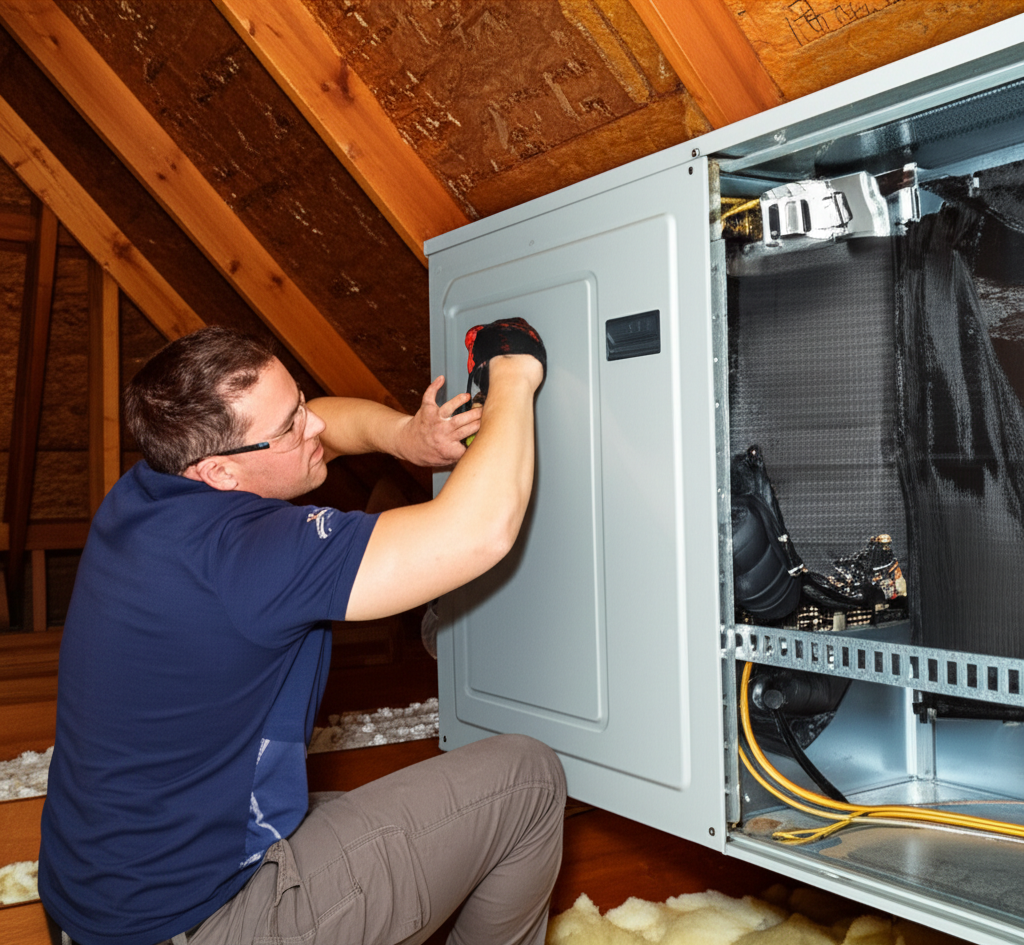
Extending the Life of Your Air Conditioner
While replacing your air conditioner may be inevitable eventually, there are several things you can do to extend its lifespan and keep it running efficiently:
1. Regular Maintenance
* Clean or replace air filters: Dirty air filters restrict airflow, forcing your air conditioner to work harder and reducing its efficiency. Check your filters monthly and clean or replace them as needed. This simple task can significantly improve your unit's performance.
* Clean the coils: The condenser and evaporator coils can accumulate dirt and debris over time, reducing their ability to transfer heat. Clean the coils regularly with a coil cleaner or hire a professional to do it for you.
* Clear debris from the outdoor unit: Keep the area around your outdoor unit clear of leaves, branches, and other debris. This will ensure proper airflow and prevent the unit from overheating.
* Check the drain line: The drain line can become clogged with algae and other debris, causing water to back up and potentially damage your unit. Flush the drain line with a bleach solution or vinegar regularly.
2. Smart Usage Habits
* Use a programmable thermostat: A programmable thermostat allows you to set different temperatures for different times of the day, so you're not wasting energy cooling your home when you're not there.
* Close curtains and blinds: During the hottest part of the day, close your curtains and blinds to block out sunlight and reduce the amount of heat entering your home.
* Use ceiling fans: Ceiling fans can help to circulate cool air and make your air conditioner more effective. Run them in conjunction with your air conditioner to reduce the load on the unit.
* Avoid using heat-generating appliances: Avoid using ovens, stovetops, and other heat-generating appliances during the hottest part of the day. This will help to reduce the load on your air conditioner.
3. Professional Servicing
Schedule an annual service appointment with a qualified HVAC technician. A technician can inspect your unit, identify any potential problems, and perform necessary maintenance to keep it running efficiently.
Key Takeaway: Regular maintenance is crucial for extending the life of your air conditioner and preventing costly repairs.
Choosing the Right Replacement
When the time comes to replace your air conditioner, carefully consider your needs and budget. Choose a unit that is the right size for your home and has a high energy efficiency rating. Consider these factors:
* Size: An undersized unit will struggle to cool your home effectively, while an oversized unit will cycle on and off frequently, wasting energy.
* Energy efficiency: Look for a unit with a high Energy Star rating to minimize your energy bills.
* Features: Consider features such as programmable thermostats, zoning, and smart controls.
* Warranty: Choose a unit with a comprehensive warranty to protect yourself against potential problems.
Consult with a qualified HVAC professional to determine the best replacement option for your home. They can assess your needs, recommend suitable units, and ensure proper installation.
Frequently Asked Questions (FAQ)
Q: How do I know what size air conditioner I need?
A: The size of air conditioner you need depends on the size of your home, the climate you live in, and other factors such as insulation and window placement. A qualified HVAC technician can perform a load calculation to determine the appropriate size for your home.
Q: How often should I have my air conditioner serviced?
A: You should have your air conditioner serviced at least once a year, preferably in the spring before the start of the cooling season. Regular servicing can help to identify potential problems early and prevent costly repairs.
Q: Can I install an air conditioner myself?
A: While some smaller units like window air conditioners can be installed yourself, it's generally recommended to have a professional install split and ducted systems. Proper installation is crucial for ensuring optimal performance and preventing damage to the unit.
Q: What is the Energy Star rating?
A: The Energy Star rating is a measure of an air conditioner's energy efficiency. Units with a higher Energy Star rating are more energy-efficient and can save you money on your energy bills. Look for the Energy Star label when shopping for a new air conditioner.
Q: How can I find a reputable HVAC technician?
A: Ask for recommendations from friends, family, or neighbours. Check online reviews and ratings. Make sure the technician is licensed and insured. Get multiple quotes before making a decision.
By understanding the signs that it's time to replace your air conditioner, knowing the costs involved, and taking steps to extend the life of your existing unit, you can ensure your home remains comfortable and energy-efficient for years to come. Don't forget to consult with a qualified HVAC professional for personalized advice and expert installation services. You can also explore other home services using our Service Cost Calculator.