Choosing the right air conditioning system for your home can be a daunting task. Split systems and multi-split systems are two popular options, each offering distinct advantages and disadvantages in terms of cost, efficiency, and installation. Understanding the differences between these systems is crucial for making an informed decision that suits your specific needs and budget. This comprehensive guide breaks down the costs associated with each type, helping you navigate the Australian air conditioning market with confidence.
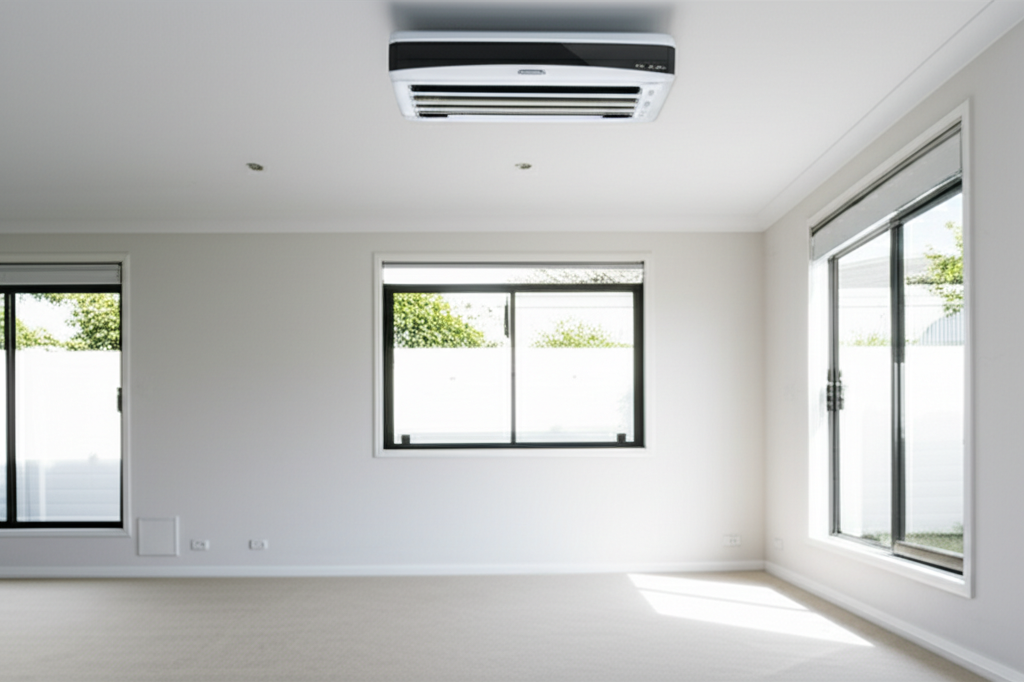
What is a Split System Air Conditioner?
A split system air conditioner consists of two main components: an indoor unit and an outdoor unit. The indoor unit is typically mounted on a wall and blows cool or warm air into the room. The outdoor unit houses the compressor and condenser, responsible for cooling or heating the refrigerant. Split systems are ideal for cooling or heating individual rooms or small areas.
Split System Advantages
* Lower Initial Cost: Generally, split systems have a lower upfront cost compared to multi-split systems.
* Easy Installation: Installing a split system is usually simpler and faster, reducing labour costs.
* Zone Control: Allows independent temperature control for each room with a unit.
Split System Disadvantages
* Aesthetics: Multiple outdoor units can be visually unappealing.
* Limited Coverage: Only suitable for cooling/heating individual rooms or smaller spaces.
What is a Multi-Split Air Conditioner?
A multi-split air conditioner features a single outdoor unit connected to multiple indoor units. This allows you to cool or heat several rooms using only one outdoor unit, offering a more streamlined and space-saving solution. Multi-split systems are suitable for larger homes or offices where individual room temperature control is desired.
Multi-Split Advantages
* Space Saving: Only requires one outdoor unit, saving space and improving aesthetics.
* Individual Room Control: Each indoor unit can be independently controlled.
* Versatility: Can accommodate different types of indoor units (e.g., wall-mounted, floor-mounted, ducted).
Multi-Split Disadvantages
* Higher Initial Cost: More expensive than installing individual split systems.
* Complex Installation: Installation is more complex and time-consuming, increasing labour costs.
* System Failure: If the outdoor unit fails, all connected indoor units will stop working.
Cost Comparison: Split System vs. Multi-Split
Let's delve into the specific costs associated with each system, considering factors like unit price, installation fees, and running costs.
Split System Costs
* Unit Price: The cost of a split system air conditioner varies depending on its capacity (measured in kW), brand, and features. Expect to pay anywhere from $600 to $2,000+ for a standard split system unit in Australia. Smaller units suitable for bedrooms may cost less, while larger units for living areas will be more expensive.
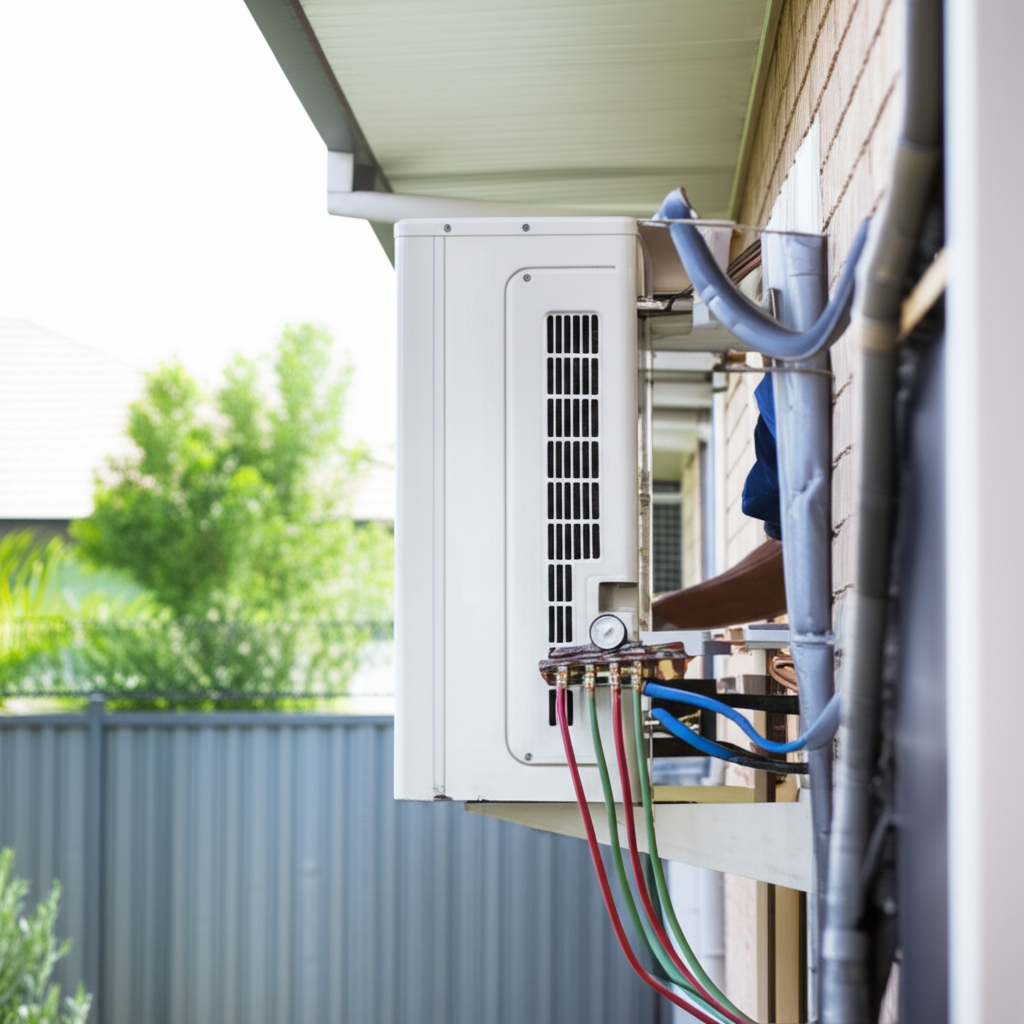
* Installation Costs: Installation costs can range from $500 to $1,200 per unit, depending on the complexity of the installation. Factors influencing installation costs include the location of the indoor and outdoor units, the distance between them, and any necessary electrical work.
> Tip: Obtain quotes from multiple installers to compare prices and services. Make sure they are licensed and experienced.
* Running Costs: The running costs of a split system depend on its energy efficiency rating (star rating), usage patterns, and electricity prices in your area. On average, expect to pay around $0.25 to $0.40 per hour to run a split system. Check your energy bills using our calculator.
Multi-Split System Costs
* Unit Price: Multi-split systems are generally more expensive than individual split systems. The cost of the outdoor unit can range from $2,000 to $5,000+, depending on its capacity and the number of indoor units it can support. Each indoor unit will cost approximately the same as a standard split system unit ($600 to $2,000+).
* Installation Costs: Installation costs for multi-split systems are significantly higher due to the complexity of the installation. Expect to pay anywhere from $1,500 to $4,000+, depending on the number of indoor units and the complexity of the ducting and electrical work.
* Running Costs: The running costs of a multi-split system can be higher than running individual split systems, especially if multiple indoor units are running simultaneously. However, newer multi-split systems with inverter technology are more energy-efficient and can help reduce running costs.
Cost Comparison Table
| Feature | Split System (Single Room) | Multi-Split System (Multiple Rooms) |
|---|---|---|
| Unit Price | $600 - $2,000+ | $2,000 - $5,000+ (Outdoor) + $600 - $2,000+ per indoor unit |
| Installation | $500 - $1,200 | $1,500 - $4,000+ |
| Running Costs | $0.25 - $0.40/hour | Potentially higher if multiple units running simultaneously |
| Space Saving | Requires one outdoor unit per indoor unit | One outdoor unit for multiple indoor units |
| Best For | Individual rooms | Whole house or multiple rooms |
Factors Affecting Air Conditioning Costs
Several factors can influence the overall cost of installing and running an air conditioning system. These include:
* System Size and Capacity: Larger rooms require higher capacity units, which are more expensive.
* Brand and Model: Premium brands and models with advanced features (e.g., smart controls, inverter technology) typically cost more.
* Installation Complexity: Complex installations involving extensive ductwork or electrical work will increase labour costs.
* Energy Efficiency: Higher energy efficiency ratings (star ratings) will reduce running costs but may increase the initial cost.
* Location: Labour costs and electricity prices vary across different Australian states and territories. For instance, air conditioning installation in Sydney might be more expensive than in Adelaide.
* Seasonal Demand: Air conditioning installers often charge higher rates during peak seasons (summer months).
Choosing the Right System for Your Needs
Consider the following factors when deciding between a split system and a multi-split system:
* Number of Rooms: If you only need to cool or heat one or two rooms, a split system may be the more cost-effective option. For whole-house cooling/heating, a multi-split system is often preferable.
* Budget: Split systems generally have a lower upfront cost, making them a good choice for budget-conscious homeowners.
* Space Constraints: If you have limited space for outdoor units, a multi-split system is the better option.
* Energy Efficiency: Look for systems with high energy efficiency ratings to minimise running costs. Inverter technology is a plus.
* Future Needs: Consider whether you might need to add more indoor units in the future. Multi-split systems offer more flexibility in this regard.
Key Takeaway: Carefully assess your needs, budget, and space constraints before making a decision. Obtain quotes from multiple installers and compare the total cost of ownership (including unit price, installation, and running costs) for both split and multi-split systems.
Tips for Saving Money on Air Conditioning
* Choose the Right Size Unit: An oversized unit will cycle on and off frequently, wasting energy. A correctly sized unit will cool the room efficiently.
* Improve Insulation: Proper insulation in your walls and ceiling will help keep your home cool in summer and warm in winter, reducing the load on your air conditioner.
* Seal Air Leaks: Seal any air leaks around windows and doors to prevent cool air from escaping.
* Use Ceiling Fans: Ceiling fans can help circulate cool air, allowing you to set your thermostat higher.
* Regular Maintenance: Clean or replace your air filter regularly to ensure efficient operation.
* Smart Thermostats: Install a smart thermostat to automatically adjust the temperature based on your schedule.

Frequently Asked Questions (FAQ)
Q: How much does it cost to install a split system air conditioner in Sydney?
A: Installation costs in Sydney typically range from $600 to $1,200, depending on the complexity of the installation and the installer's rates.
Q: Is a multi-split system more energy-efficient than multiple split systems?
A: Newer multi-split systems with inverter technology can be more energy-efficient than older split systems, but it depends on the specific models and usage patterns.
Q: Can I install a split system air conditioner myself?
A: In Australia, it is illegal to install a split system air conditioner yourself unless you are a licensed air conditioning installer. Refrigerant handling requires specific qualifications.
Q: How often should I service my air conditioner?
A: It is recommended to service your air conditioner at least once a year to ensure optimal performance and efficiency.
Q: What is the lifespan of a split system or multi-split system air conditioner?
A: With proper maintenance, a split system or multi-split system air conditioner can last for 10-15 years.